






















-min%20(1).jpg)
Did you know that HVAC accounts for 40% to 60% of a hotel's electricity bill? For a 200-room property, that's $200,000 to $300,000 a year spent on heating and cooling alone. The uncomfortable truth for most operators? A ten-year-old hotel AC system with smart controls will outperform a brand-new unit running unmanaged. The equipment was never the problem. The missing layer is management.
Why Hotel HVAC Bills Stay So High
Hotels face a cooling problem that offices and homes don't share. A corporate building empties at 6 p.m. A house has one family with predictable habits. A hotel has 150 to 400 rooms occupied by strangers who check in at random hours, crank the thermostat to 62°F, leave for eight hours with the AC blasting, and never look at the electricity bill.
That behavioral unpredictability stacks on top of three structural cost drivers most properties never address.
Empty-room conditioning is the largest single waste category
Industry data from ENERGY STAR and AHLA (American Hotel & Lodging Association) estimates that unoccupied rooms account for 30% to 40% of total HVAC energy use in full-service hotels. A 200-room hotel at 70% average occupancy has roughly 60 empty rooms on any given night, each one cooled or heated to guest-ready temperature with zero return.
Legacy systems lack modulation
Most mid-tier and budget hotels still run single-speed compressor systems or outdated PTACs (Packaged Terminal Air Conditioners) that cycle between full power and off. There is no middle setting. Compare this to inverter-driven or VRF (Variable Refrigerant Flow) systems that scale output to match the load, and the efficiency gap becomes obvious.
|
Cost Driver |
Estimated Share of HVAC Waste |
Typical Fix |
|---|---|---|
|
Empty-room conditioning |
30–40% |
Occupancy-based setback controls |
|
Single-speed / on-off cycling |
15–25% |
Inverter compressors or VRF retrofit |
|
Guest override with no limits |
10–20% |
Setpoint range restrictions via smart controls |
|
Poor maintenance (dirty coils, clogged filters) |
10–15% |
Scheduled preventive maintenance |
|
Duct leakage and insulation gaps |
5–10% |
Duct sealing and envelope improvements |
The numbers in that table overlap, but the pattern holds across property types. An energy-efficient hotel doesn't require a full mechanical overhaul. It requires closing the gap between equipment capability and how that equipment gets managed day to day.
What Makes a Hotel AC System Energy Efficient
 Efficiency in a hotel room AC system comes down to two things: how the hardware modulates output and how the controls respond to occupancy. Expensive equipment with poor controls wastes money. Modest equipment with smart management punches above its weight class.
💡SEER2 (Seasonal Energy Efficiency Ratio) and EER2 (Energy Efficiency Ratio) are the two ratings that matter most for hotel applications. SEER2 measures cooling efficiency across a full season of varying temperatures. EER2 measures peak-load performance on the hottest days. Hotels need both numbers to be high because they run AC during shoulder seasons and during extreme heat spikes.
For properties evaluating upgrades or replacements, three hardware factors separate high performers from the rest.
- Inverter-driven compressors adjust speed continuously to match the cooling demand in each room. A standard compressor kicks on at full power, overshoots the setpoint, shuts off, and repeats. An inverter ramps up and down. At partial loads, where hotel systems spend most of their operating hours, inverter-based systems use 30% to 50% less energy than fixed-speed equivalents.
- Variable Refrigerant Flow (VRF) systems take this a step further by connecting multiple indoor units to a single outdoor compressor bank. Each room gets individual temperature control while the system balances refrigerant distribution across zones. VRF is gaining traction in boutique and mid-rise hotels where centralized ductwork is impractical or too expensive to retrofit.
- PTAC replacements with higher EER2 ratings offer the most direct upgrade path for budget and limited-service properties. Newer PTAC models from manufacturers like Amana and GE Zoneline now ship with EER ratings above 12.0, compared to 9.0 or lower on units installed before 2010. Swapping a 9.0 EER unit for a 12.0 EER unit cuts that room's cooling energy by roughly 25%, with no ductwork changes required.
The Guest Comfort vs. Energy Savings Tradeoff (And How to Eliminate It)
 Hotel operators have been told for years that saving energy means sacrificing guest comfort. Turn the setpoint up two degrees, accept more complaints, save a little on the bill. That framing is wrong, and the properties still operating under it are leaving money on the table.
The tradeoff disappears when the system knows if a room is occupied.
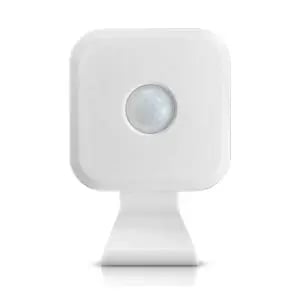
A guest who walks out for dinner at 7 p.m. doesn't need their room held at 68°F until they return at 11 p.m. An occupancy sensor or door-switch trigger can raise the setpoint to 76°F within minutes of departure, then bring it back down before the guest returns. The guest never notices. The hotel AC system runs four fewer hours at full load that evening. Multiply that across 140 occupied rooms and 365 nights, and the savings compound fast.
- Occupancy-based setback raises the temperature 4 to 8°F when the room empties, cutting runtime without any guest-facing change
- Setpoint range limits prevent guests from dialing below 65°F or above 80°F, keeping individual rooms inside an efficient operating band
- Check-in/check-out automation ties HVAC scheduling to the property management system (PMS), so rooms only reach guest-ready temperature when a confirmed arrival is expected
None of these strategies ask the guest to accept less comfort. They remove the waste that happens when nobody is in the room to feel it. That distinction matters because an energy efficient hotel doesn't run a worse guest experience. It runs a tighter operation behind the scenes.
Most Hotels Still Manage HVAC Blind
Ask a hotel facility manager what temperature room 412 is right now. Most can't answer without walking there. Ask how many empty rooms on the fifth floor are running AC at full blast. Same blank look. That's the operational reality at most properties, hundreds of rooms doing their own thing with nobody watching.
A guest checks out at 11 a.m. Housekeeping resets the bed. Nobody resets the thermostat. That room sits at 68°F for six hours until the next guest arrives, or longer if it stays vacant. Multiply that across a floor, across a week, and you start to see why the energy bill never seems to drop even when occupancy does.
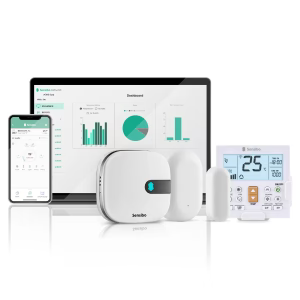
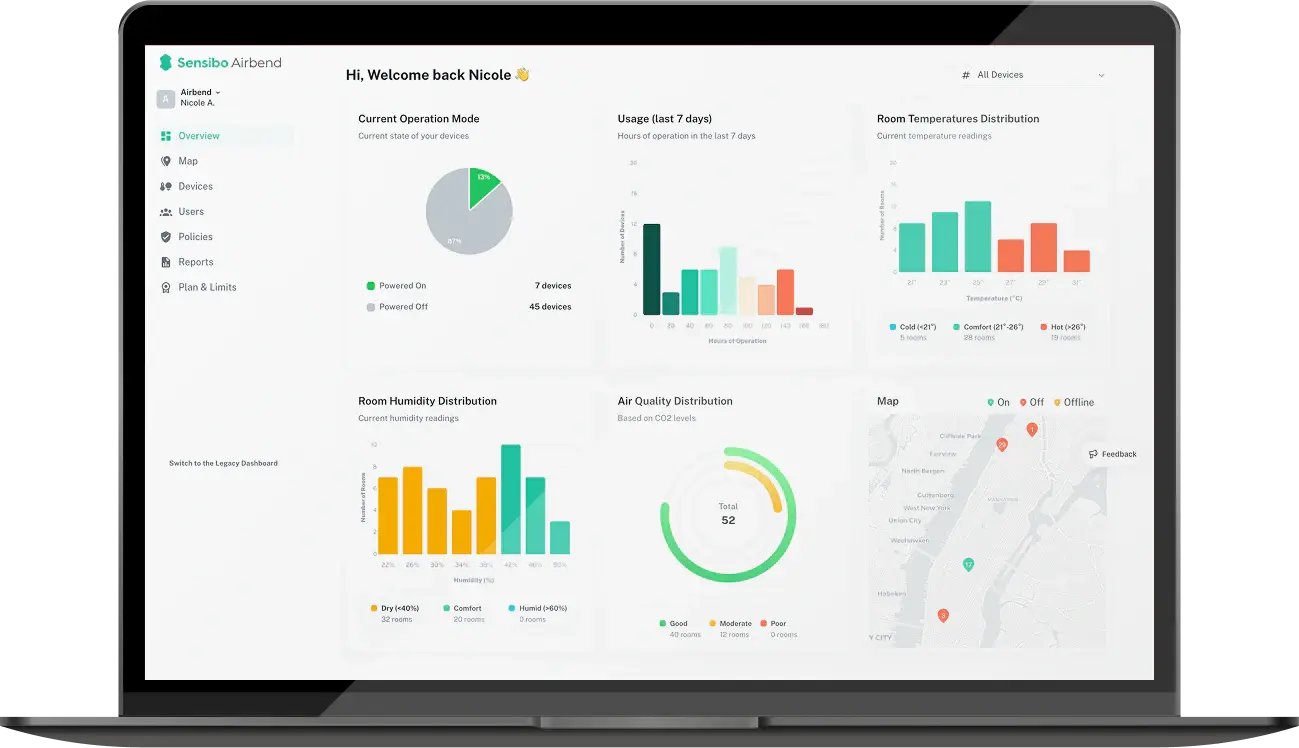
Centralized HVAC dashboards fix this by pulling every room's temperature, occupancy status, and equipment runtime into one screen. Facility teams can spot 30 empty rooms still cooling at check-out temperature and adjust them in two clicks. They can enforce setpoint policies across entire floors without visiting each room. They can pull energy reports by zone or time period and track month-over-month changes instead of guessing.
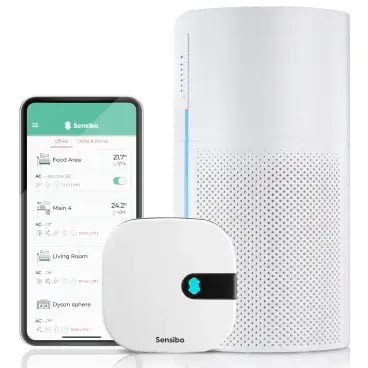
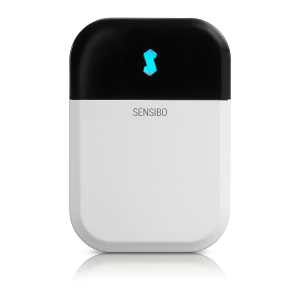
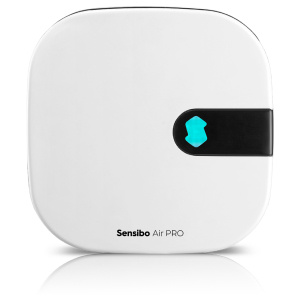
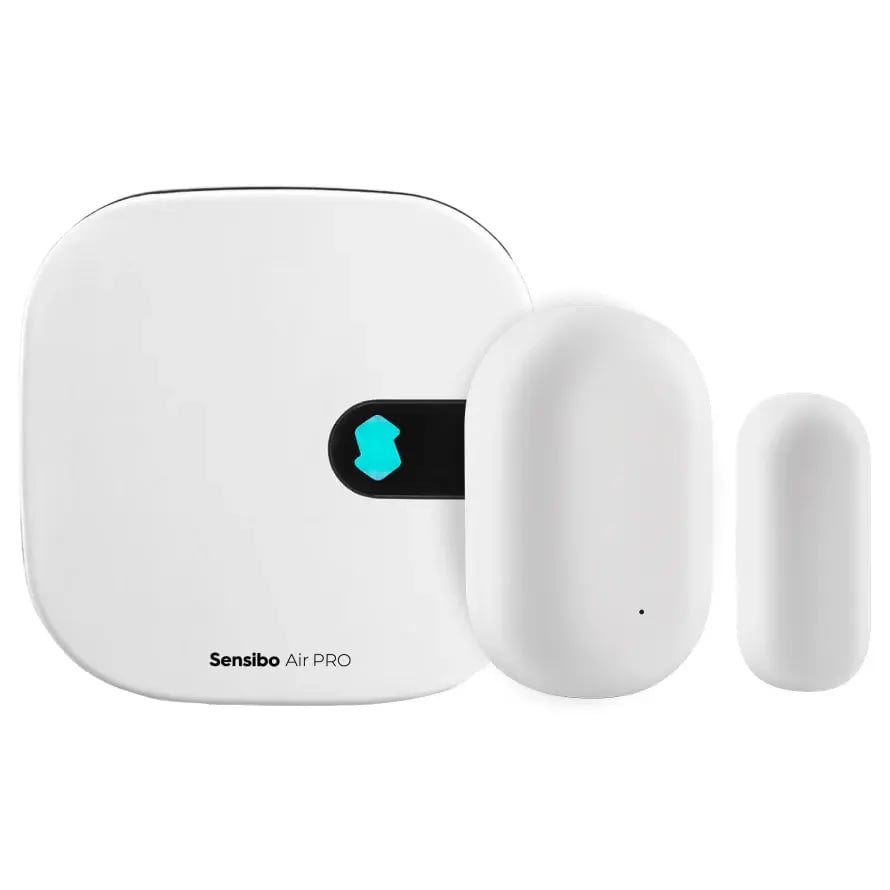
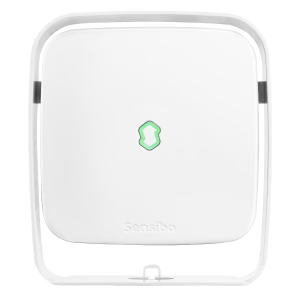
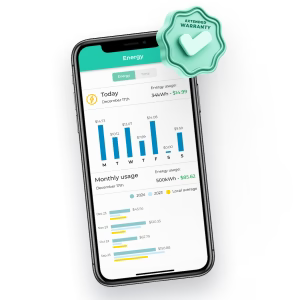
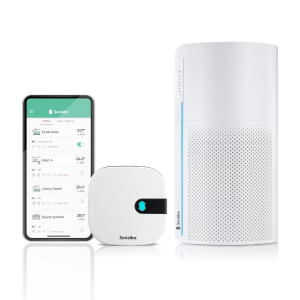
For properties running ductless mini-splits, split systems, or PTACs with infrared remotes, retrofit smart controllers are the fastest way to get there without replacing the equipment itself. Sensibo's hotel AC controller platform, Airbend, connects to existing units and adds group scheduling, setpoint policies, and energy monitoring from a single interface. Prestige Booking, a hospitality operator, used this setup across its properties and cut HVAC energy costs while keeping guest satisfaction scores intact.
Once every hotel room's AC system feeds data back to one place, patterns show up fast. Rooms facing south overshoot setpoints by 2 p.m. every day. The third floor runs 15% harder than the second because of a duct issue nobody spotted. That kind of visibility turns HVAC from a line item you pay into a cost you can manage.
Where Hotels Recover HVAC Costs Fastest
Not every efficiency upgrade pays back at the same speed. Hotels working with limited capital need to prioritize the measures that deliver the highest return in the shortest window. Here's how the most common upgrades stack up.
|
Upgrade |
Typical Cost (200-room hotel) |
Estimated Annual Savings |
Simple Payback |
|---|---|---|---|
|
Retrofit smart controllers with occupancy setback |
$15,000–$40,000 |
$18,000–$45,000 |
6–14 months |
|
PTAC replacement (9 EER → 12+ EER) |
$80,000–$160,000 |
$20,000–$40,000 |
3–5 years |
|
VRF system conversion |
$400,000–$800,000 |
$60,000–$120,000 |
5–8 years |
|
Duct sealing (Aeroseal or mastic) |
$10,000–$30,000 |
$8,000–$20,000 |
1–2 years |
|
Building envelope improvements |
$50,000–$200,000 |
$10,000–$30,000 |
4–8 years |
Retrofit smart controls and duct sealing sit at the top of that list for a reason. Both deliver measurable savings within the first year, require no major construction, and leave existing equipment in place. A property that installs occupancy-based smart controllers across all rooms can often fund the next round of upgrades (PTAC swaps, envelope work) from the HVAC savings generated in year one.
❗ Worth noting for U.S. properties: the federal 179D tax deduction for energy-efficient commercial buildings can offset a portion of upgrade costs. Hotels that reduce energy use by 25% or more relative to ASHRAE 90.1 reference standards may qualify for deductions up to $5.00 per square foot under the Inflation Reduction Act provisions. Check eligibility with a certified energy auditor before budgeting.
An energy-efficient hotel doesn't need to overhaul everything at once. The properties seeing the fastest ROI start with controls, prove the savings, and reinvest from there.

.jpg?height=200&name=photo_2024-07-05_21-25-23%20(1).jpg)