
























HVAC systems consume 30 to 50% of a hotel's total energy, and most of that conditioned air reaches rooms where nobody is present. For properties with hundreds of rooms, HVAC zone control is what separates a six-figure energy bill from a manageable one.
Why Traditional Thermostat-Per-Room Fails at Scale
A 250-room hotel with one thermostat per room has 250 independent climate decisions happening simultaneously with zero coordination. Housekeeping leaves a door propped open during turnover. A guest cranks the AC to 62°F and opens the balcony door. A conference room sits empty for three hours between events with the system running full blast.
The U.S. Department of Energy's Better Buildings Initiative documented this at the Hilton Austin, a 1.3-million-square-foot convention hotel. Before upgrading their building automation system, the property had no way to schedule HVAC setbacks in idle meeting spaces. After integrating a reservation schedule into the BAS and upgrading to variable frequency drives, energy consumption dropped 31%.
|
Problem |
Impact |
Common in Hotels Over 100 Rooms? |
|
No occupancy-based setback |
System runs 24/7 at occupied setpoints |
Yes, especially with PTACs |
|
No coordination between zones |
Adjacent zones fight each other (heating vs cooling) |
Yes, in mixed-use areas |
|
Manual thermostat management |
Relies on housekeeping to reset after checkout |
Nearly universal |
|
No visibility into zone performance |
Failures go undetected until guest complaints |
Yes, without BMS |
Zone control HVAC groups rooms and common areas into managed zones that respond to real conditions rather than static setpoints.
How an HVAC Zoning System Works in a Large Hotel
Hotel HVAC zoning systems with hundreds of rooms rely on one of three primary architectures.
Variable Refrigerant Flow (VRF) systems have become the dominant choice for large hotel projects built or renovated after 2010. A VRF system connects multiple indoor fan coil units to shared outdoor condensing units through refrigerant piping. Each indoor unit operates independently, adjusting its refrigerant flow to match the thermal load of its zone. For a 150-room hotel, a typical configuration involves around a dozen separate VRF systems, each serving a block of roughly 12 rooms, according to a 2025 CIBSE Journal technical module on VRF hotel retrofits.
VRF systems with heat recovery can redirect thermal energy from zones that need cooling to zones that need heating simultaneously. Mitsubishi Electric reports that their VRF zoning systems run up to 40% more efficiently than conventional systems in hotel applications because variable-speed compressors adjust output to actual demand rather than cycling on and off at full capacity.
Packaged Terminal Air Conditioners (PTACs), the through-wall units common in budget and mid-range hotels, operate as standalone zones by default. Each unit heats and cools its own room with no native connection to a centralized control platform. Retrofit smart controllers bridge this gap by adding Wi-Fi connectivity, occupancy sensors, and remote setpoint management to existing hardware.
Chilled water systems with air handling units serve large common areas (lobbies, ballrooms, restaurants) while guest rooms use individual units. A smart building management system ties all of these disparate systems together into one operational view.
The Role of a Smart Building Management System in Hotel Climate Control
A smart building management system (BMS, also called BAS) connects every zone, sensor, thermostat, and piece of HVAC equipment across the property into one control layer.
The Hilton Columbus Downtown, a 532-room property, demonstrated what a well-designed BAS can accomplish. The hotel was built with occupancy-sensing thermostats, an energy recovery chiller that transfers waste heat to the hot water loop, and a BAS monitoring boiler and chiller operations in real time. The result: 32% lower energy consumption and $387,000 in annual savings compared to ASHRAE 90.1-2007 baseline, per the DOE's Better Buildings showcase.
What a BMS controls in a typical large hotel:
- Guest room zones: Setpoint limits, occupancy-based setbacks, checkout resets, window contact sensors.
- Common area zones: Scheduled conditioning tied to event calendars, demand-controlled ventilation, separate profiles for lobbies, restaurants, and fitness centers.
- Back-of-house zones: Kitchens, laundry, storage, and mechanical rooms with temperature and humidity monitoring.
- Exterior systems: Condenser units, cooling towers, and chillers with performance tracking and fault detection.
A 2021 simulation study published in the Journal of Building Performance Simulation found that occupancy sensors and occupant-centric controls in large hotel buildings produced HVAC energy savings ranging from 24% to 58%, depending on sensor type, climate zone, and building code vintage. Occupant-counting sensors (which distinguish between brief absences and full vacancies) delivered an additional 5 to 15% savings over simple presence/absence sensors for the whole building.
Occupancy-Based Control: Where the Real Savings Hide
A 300-room property at 70% occupancy has 90 empty rooms at any given time. Of the 210 occupied rooms, guests might be physically present in fewer than half during daytime hours.
HVAC zone control tied to occupancy sensing addresses this directly. When a guest checks out or leaves the room, the system shifts to a setback temperature (typically 5 to 10°F offset from the occupied setpoint). When the guest returns, the system recovers to comfort before they reach the room.
Three levels of occupancy integration exist in hotel zone control HVAC systems:
- Key card integration. The simplest approach. When the guest removes their key card from the in-room holder, HVAC shifts to setback mode. Weakness: many guests leave a spare card in the slot, defeating the system entirely.
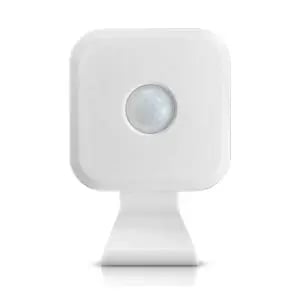
- Passive infrared (PIR) sensors. Motion-based detection that identifies if someone is present. Stronger than key cards because it cannot be tricked by a spare card. Weakness: sleeping guests who stay still for extended periods can trigger false "unoccupied" readings if sensor sensitivity and timeout settings are poorly calibrated.
- Occupant-counting sensors and PMS integration. The most advanced approach. Sensors combined with property management system (PMS) data (check-in/check-out status, housekeeping schedules) create a full picture. The system knows the difference between a room that is between guests, a room with a sleeping guest, and a room where housekeeping is working with the door open. This level of integration is what the ASHRAE 90.1-2019 standard pushes toward.
Hotels using smart AC controls with occupancy sensors report HVAC energy reductions of 20 to 30% annually, according to a 2026 Prostay analysis.
VRF Zoning: A Case Study in What "Getting It Right" Looks Like
Hotel Marcel in New Haven, Connecticut, is the most documented example of VRF-based HVAC zone control at full scale. The 110,000-square-foot Tapestry Collection by Hilton property is the first Passive House-certified, zero-emission hotel in the United States. Its HVAC runs entirely on Mitsubishi Electric VRF air-source heat pumps with energy recovery ventilators and all-electric heat pump water heaters, with no natural gas connection. The building's energy use intensity sits 80% below the median U.S. hotel.
General manager Ben Webster noted that even below freezing outdoor temperatures, some rooms still require cooling due to internal heat gains from the high-performance envelope. A building-wide strategy would miss that entirely.
Common Mistakes When Implementing Zone Control in Hotels
Oversizing Equipment Per Zone
Contractors install oversized units because an undersized system generates immediate complaints while an oversized one wastes energy quietly. The result: rooms that cool too fast, never dehumidify properly, and feel cold and clammy. Proper Manual J load calculations for each zone prevent this at the design stage.
Ignoring Common Area Zoning
Many retrofits focus on guest rooms and neglect lobbies, corridors, and meeting spaces. A lobby with a two-story glass facade facing south has a cooling load that shifts dramatically between morning and afternoon. The Hilton Austin solved this by tying meeting space HVAC schedules directly to the reservation system through their BAS.
Treating All Floors Identically
Top-floor rooms absorb radiant heat from the roof. East-facing rooms heat up in the morning while west-facing rooms peak in the afternoon. An HVAC zoning system that applies identical setpoints across all floors ignores the physics of the building.
Skipping Maintenance on Zone Dampers and Sensors
Dirty occupancy sensors, stuck dampers, and failed fan coil motors degrade performance silently. Without regular commissioning and fault detection through the smart building management system, those losses compound unnoticed.
The Financial Math for a 300-Room Property
Hotels allocate 7 to 9% of total operating costs to energy, according to 2024-2025 data from Trail, up from roughly 5% before the pandemic. For a full-service hotel spending $1.5 million annually on energy, HVAC could account for $600,000 to $750,000.
A 25% reduction through proper HVAC zone control, occupancy-based setbacks, and BMS integration would return $150,000 to $187,500 per year. Retrofit smart controllers for existing PTAC or mini-split systems can be installed room-by-room without taking inventory offline, with payback periods between 12 and 24 months.
Booking.com's sustainability report found that 84% of global travelers prefer hotels with active energy-reduction practices, giving zone control HVAC a direct booking advantage in corporate and group travel segments with sustainability mandates.
The Guest Experience Argument
A well-zoned hotel lets a guest in room 412 keep their room at 68°F while the guest in room 414 runs theirs at 74°F, with no interference between the two. VRF systems operate below 35 decibels, which matters for properties targeting premium segments where noise complaints damage reviews. Occupancy-aware systems pre-cool or pre-heat rooms before arrival so guests walk into comfort rather than waiting 20 minutes for the room to reach setpoint. J.D. Power ranks temperature control among the top five factors driving hotel review scores, and unstable room temperatures directly erode guest satisfaction.
How Sensibo Airbend Solves This for Existing Hotel AC Fleets
Most hotels do not have the budget to rip out every AC unit and install a VRF system from scratch.
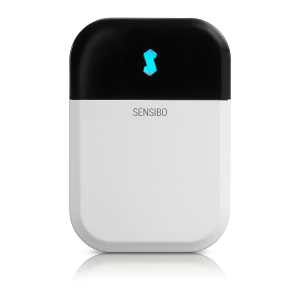
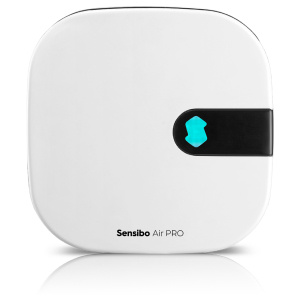
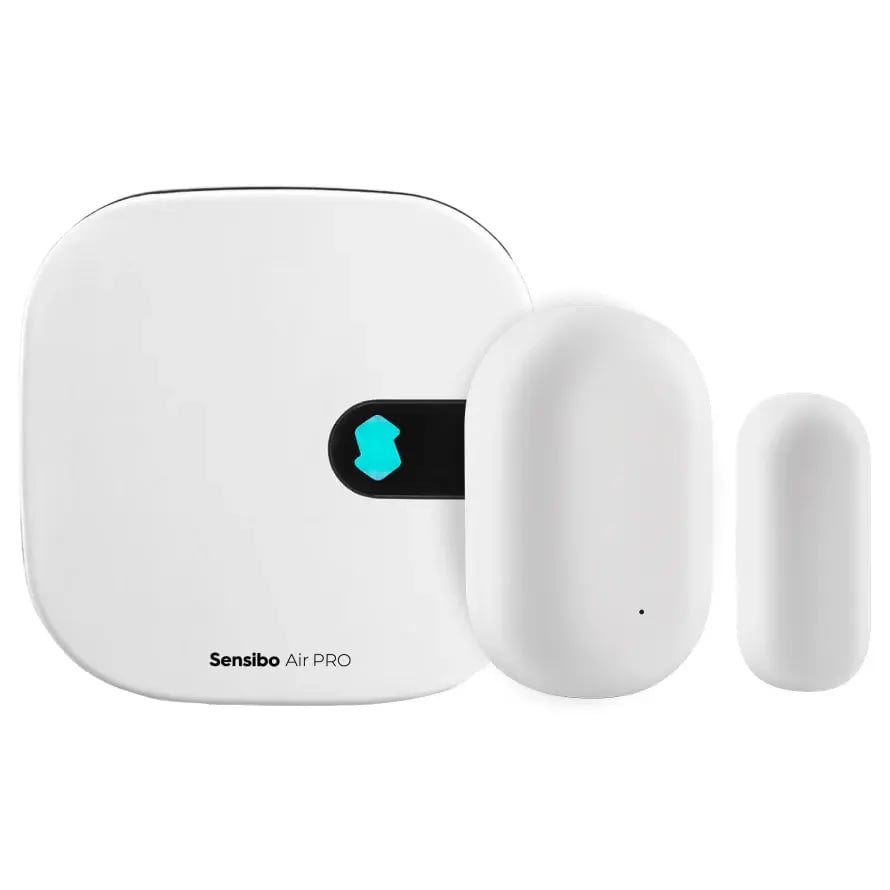
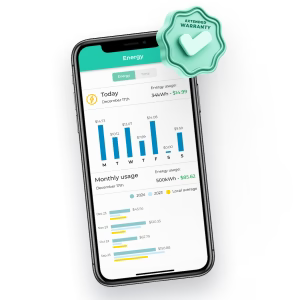
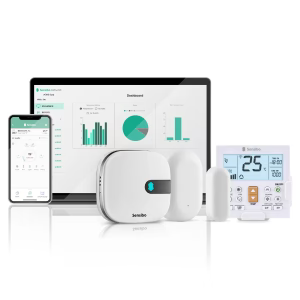
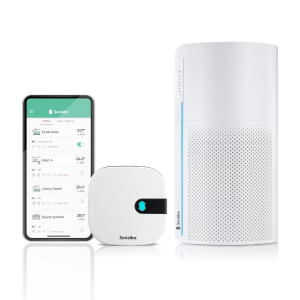
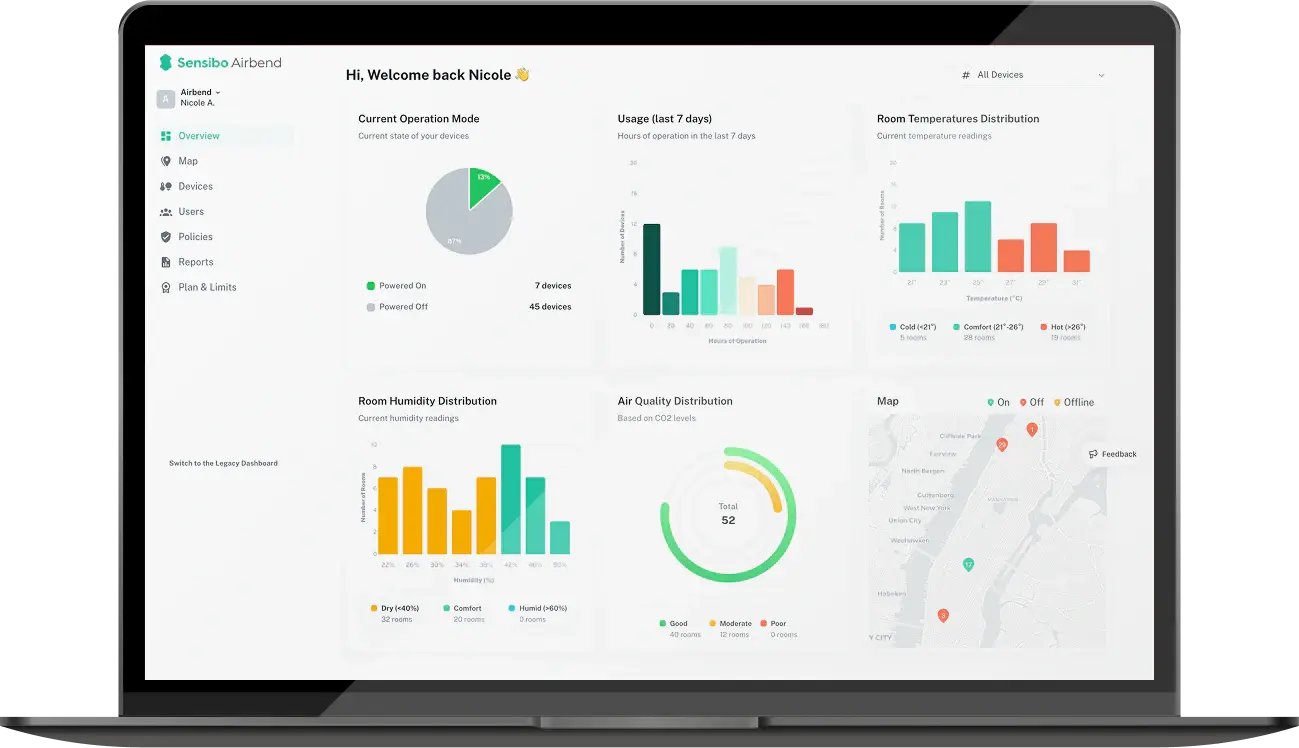
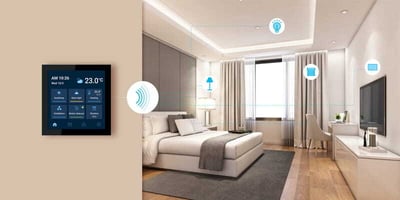
Sensibo Airbend retrofits onto any air conditioner or heat pump that uses an infrared remote, covering over 10,000 models, and connects every unit to a single centralized dashboard. Hotel operations staff can organize units by floor, zone, or room type, apply unique schedules for guest rooms versus lobbies versus storage areas, and set temperature limits, fan speed policies, and operating hours per section. The system adapts to occupancy changes and weather conditions automatically, and its open API plugs into existing Hotel Management Systems so check-in and check-out events trigger HVAC adjustments without staff involvement. Installation takes minutes per room, no tools, no downtime.
-min%20(1).jpg?height=200&name=shutterstock_1616234788%20(1)-min%20(1).jpg)
.jpg?height=200&name=photo_2024-07-05_21-25-23%20(1).jpg)