


















A residential AC unit cools maybe 2,000 square feet. A commercial setup might condition 200,000. That gap changes everything, from the equipment and energy bill to the maintenance schedule and who's even allowed to touch the thing.
HVAC in commercial buildings eats roughly 40% of total energy consumption, according to the U.S. Energy Information Administration. Residential systems carry a big share of household bills too, but nowhere near that proportion.
How Big Is the Equipment, and Where Does It Go?
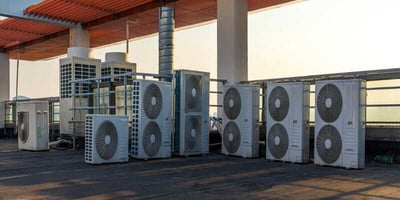
Residential HVAC systems are split designs. An outdoor compressor sits in the backyard or along a side wall, and an indoor air handler connects through ductwork. The whole thing cools or heats one zone, controlled by one thermostat. Typical capacity runs from 1.5 to 5 tons.
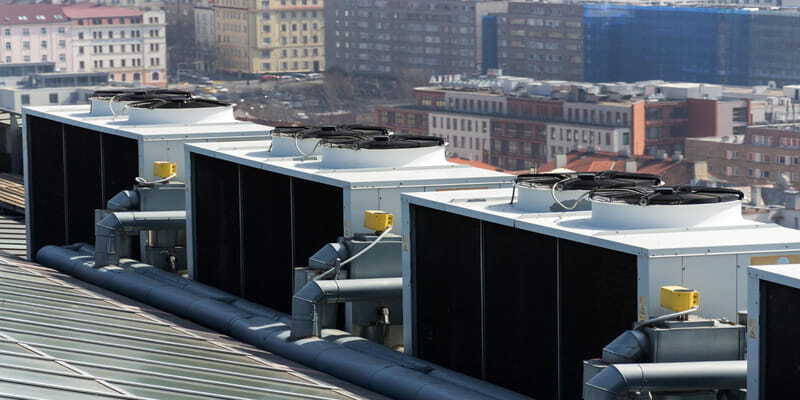
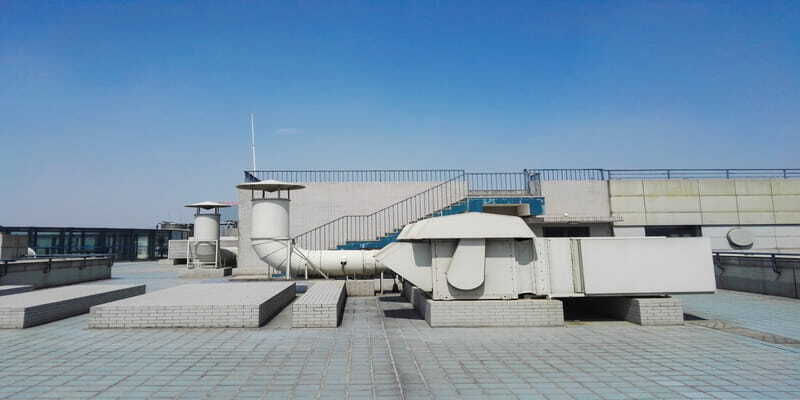
Commercial systems start at 2 tons and can reach 30 tons for hospitals, warehouses, and office towers. That alone creates a placement problem. You can't stick a 30-ton packaged unit in someone's parking lot.
|
Feature |
Residential |
Commercial |
|
Typical capacity |
1.5–5 tons |
2–30+ tons |
|
Placement |
Ground level (backyard, side of house) |
Rooftop or mechanical room |
|
Configuration |
Split system (indoor + outdoor units) |
Packaged or modular systems |
|
Noise concern |
Moderate (close to living spaces) |
Lower impact (rooftop isolates noise from occupants) |
Rooftop placement solves two problems for commercial buildings. It keeps the noise away from workers and customers, and it frees up valuable ground-level square footage. A technician working on a rooftop unit doesn't disrupt business operations the way a repair crew in someone's backyard does at 7 a.m. on a Saturday.
Why Do Commercial Buildings Need Multi-Zone Climate Control?
A 20-story office building has a server room that needs 65°F year-round, a lobby with floor-to-ceiling glass that bakes in afternoon sun, and a basement storage area that barely needs conditioning at all. One thermostat can't handle that.
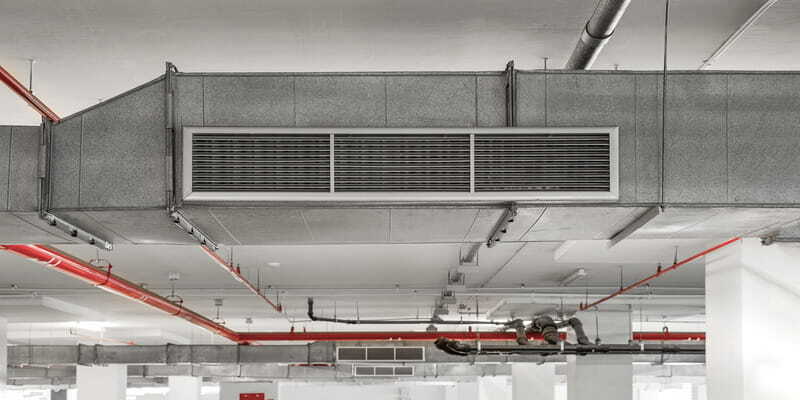
Multi-zone systems in commercial buildings give each floor, wing, or room its own thermostat and damper controls. The HVAC equipment adjusts airflow and temperature independently across dozens of zones, adding layers of ductwork, variable air volume (VAV) boxes, and building automation systems (BAS) that residential setups don't need.
Homes are catching up slowly. Ductless mini-split systems and smart thermostats with room sensors let homeowners create two or three zones. But the gap between "three zones in a house" and "forty zones across a commercial campus" remains enormous in both cost and engineering.
💡 A commercial HVAC zone is any independently controlled area within a building, managed by its own thermostat and damper system. Residential zoning typically refers to using ductless mini-splits or smart vents to create separate temperature areas within a single home.
What Equipment Does Each System Use?
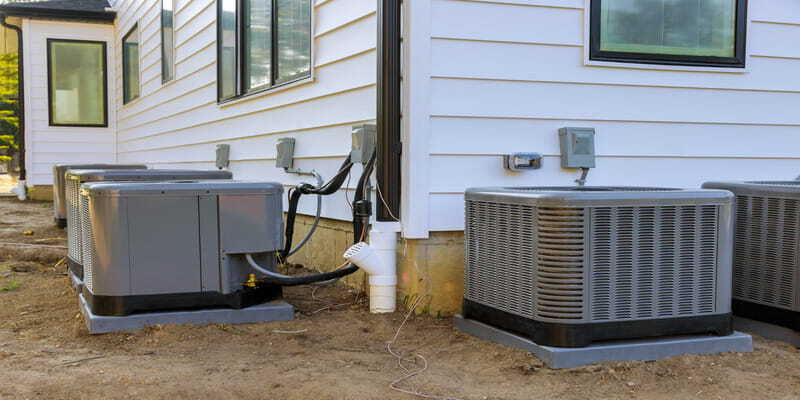 Residential systems are standardized. A typical home runs a split system with a furnace or heat pump, an evaporator coil, a single blower, and basic ductwork. Most installations finish within a day.
Commercial equipment is a different category entirely.
Equipment commonly found only in commercial installations
- Chillers (water-cooled or air-cooled) for buildings over 20,000 sq ft
- Cooling towers that reject heat from chiller systems to the atmosphere
- Variable Refrigerant Flow (VRF) systems that route refrigerant directly to multiple indoor units
- Building Automation Systems (BAS) that coordinate HVAC, lighting, and security from a centralized dashboard
- Economizers that use outside air for free cooling when temperatures drop below a set threshold
Each piece adds control and efficiency, but also adds maintenance complexity. A failed chiller in a hospital is a code violation. A failed AC in a house is an uncomfortable evening.
How Do Energy Costs Compare Between Residential and Commercial HVAC?
Did you know cooling alone accounts for about 14% of all electricity consumed in U.S. commercial buildings? Add heating and ventilation, and HVAC reaches that 40% figure mentioned earlier. For homes, HVAC represents roughly 25-33% of total energy use, depending on climate and insulation quality.
Three factors drive commercial HVAC costs higher than residential.
1. Continuous operation. Most offices run HVAC 10-14 hours daily, five or six days a week. Hospitals and data centers run 24/7. A home system cycles on and off throughout the day, with long idle stretches overnight or when nobody's there.
2. Ventilation requirements. Commercial buildings must meet ASHRAE Standard 62.1 for minimum outdoor air ventilation. Moving, filtering, and conditioning large volumes of outside air is expensive. Homes have no equivalent federal ventilation mandate.
3. Internal heat loads. A commercial kitchen, a server room, a packed conference hall, hundreds of computers and monitors. All of that generates heat the HVAC system has to remove. Residential internal heat loads from a few appliances and body heat are trivial by comparison.
Devices That Help Cut Costs in Commercial and Residential Buildings
 The equipment gap between commercial and residential HVAC has been narrowing, thanks to smart devices that bring commercial-grade monitoring into smaller systems, and commercial-grade control platforms that simplify management of large building portfolios.
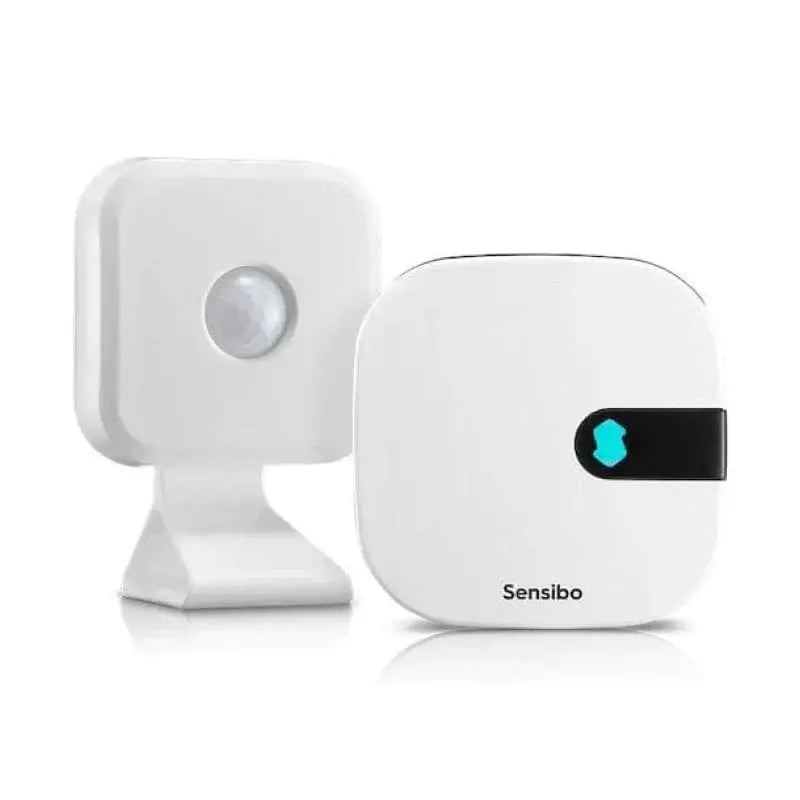
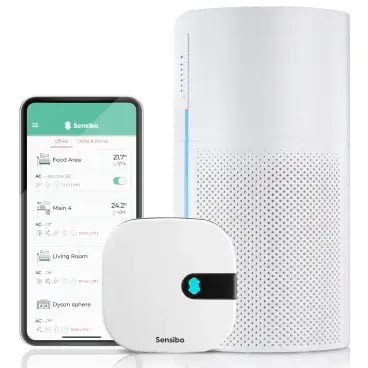
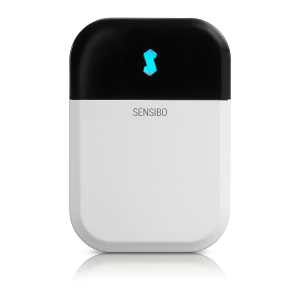
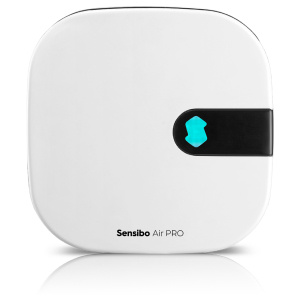
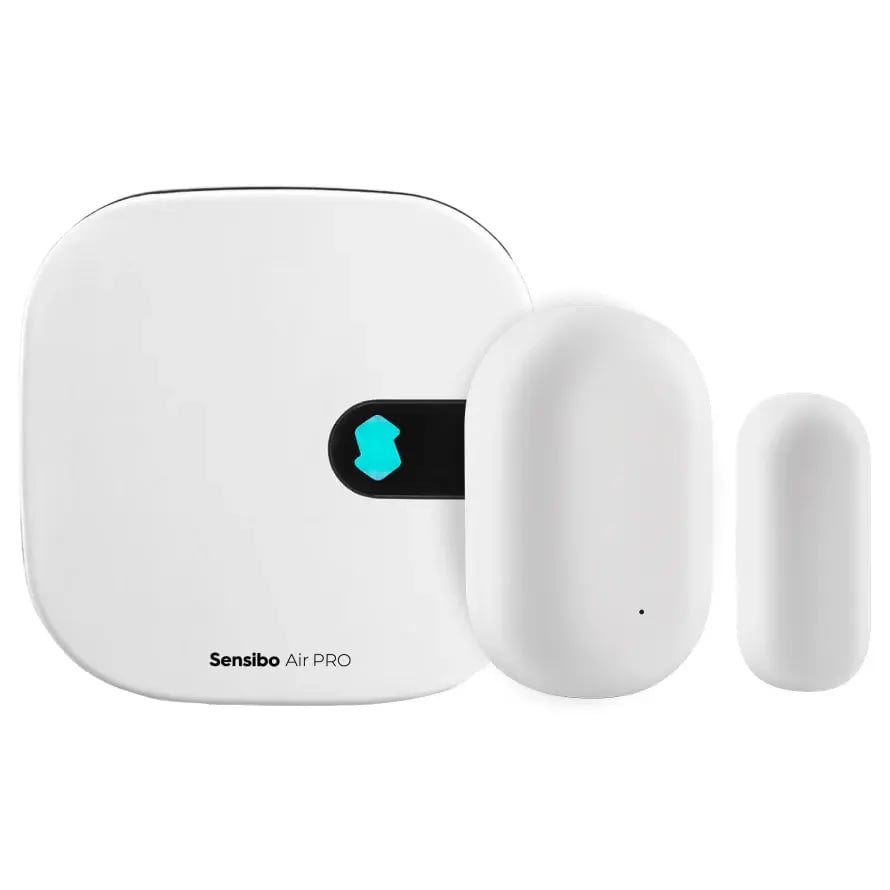
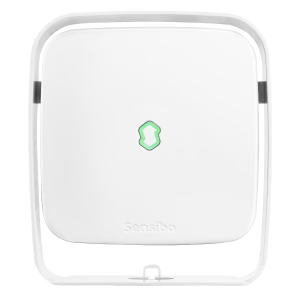
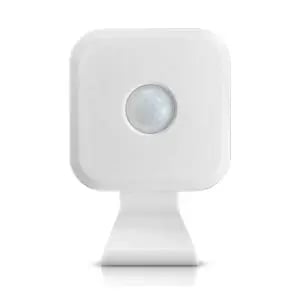
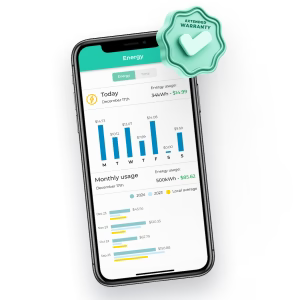
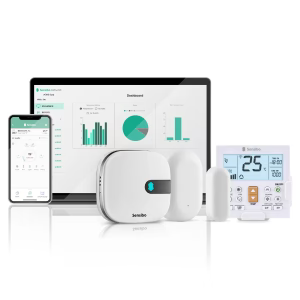
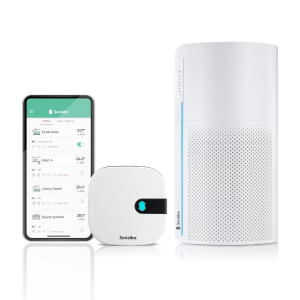
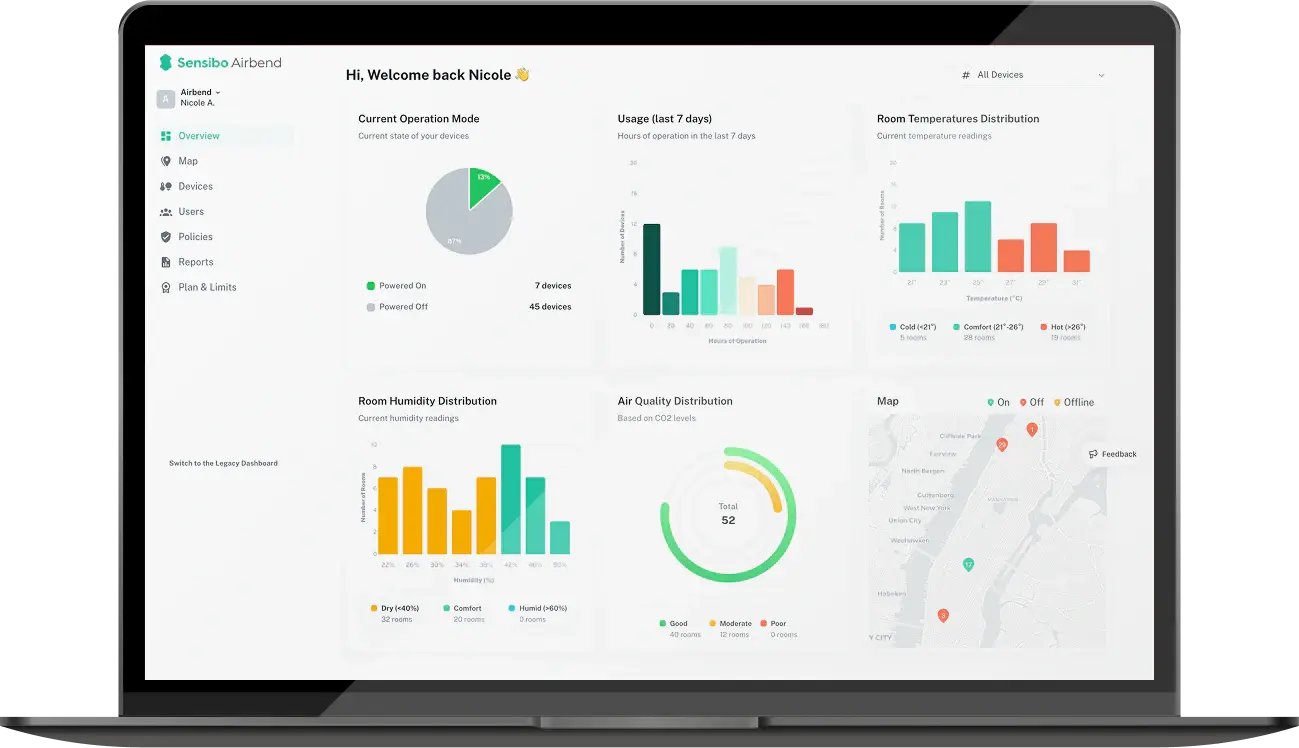
Smart AC controllers retrofit onto existing split systems (both residential and commercial) to add scheduling, geofencing, and energy tracking without replacing the unit. For commercial properties running dozens or hundreds of split-system air conditioners, platforms like Sensibo Airbend centralize control across an entire building or multi-site portfolio. Facility managers can enforce temperature policies, monitor energy consumption by zone and time period, and generate automated reports, all from a single dashboard.
What monitoring tools matter for facility managers?
Building Automation Systems (BAS) remain the gold standard for large commercial properties with central plant equipment. But for mid-size buildings, hotels, schools, and retail chains that rely on split-system or packaged AC units, cloud-based platforms offer a faster, cheaper path to the same visibility.
Key metrics facility managers track include
- Energy consumption per zone (identifies waste and equipment degradation)
- Runtime hours (flags units working harder than they should)
- Temperature compliance (proves that set policies are being followed)
Residential smart thermostats from Nest, Ecobee, and others provide a simplified version of this data for homeowners. The gap is in scale. Managing 3 zones in a house vs. managing 300 AC units across a hotel chain requires different tools, different dashboards, and different levels of reporting.
How Long Do Commercial and Residential HVAC Systems Last?
Most HVAC systems, commercial or residential, last somewhere between 15 and 20 years. That number hides a lot of variation.
Residential systems have simpler components and longer gaps between service calls. A homeowner who changes filters and gets annual tune-ups can push a furnace past 20 years. Central air conditioners typically give out earlier, around 12-17 years, because moisture and refrigerant cycling corrode condenser coils.
Commercial systems face heavier loads and longer daily runtimes, which wears components faster. But commercial maintenance programs are also more rigorous, with quarterly inspections, monthly filter changes, and seasonal refrigerant checks. When properly maintained, commercial rooftop units and chillers can exceed their expected lifespan.
Replacement costs tell the bigger story. A residential HVAC swap runs $6,000 to $15,000 depending on system type and efficiency rating. Commercial replacements start in the tens of thousands and can hit six figures for chiller plants or VRF systems.
What Maintenance Does Each System Need?
 Residential maintenance is something most homeowners can partially handle themselves. Swap the air filter every 1-3 months, keep the outdoor unit clear of debris, and schedule one professional tune-up per year. Annual cost usually falls between $150 and $500.
Commercial maintenance is a different scale of commitment.
Quarterly or monthly tasks for commercial systems
- Inspecting and replacing filters across all air handling units
- Checking refrigerant levels and compressor performance
- Testing BAS sensors and thermostat calibration
- Cleaning evaporator and condenser coils
- Inspecting ductwork for leaks
Annual commercial HVAC maintenance contracts typically run $3,000-$15,000+ depending on building size and system complexity. A single compressor failure on a large rooftop unit can cost $5,000-$15,000 to repair, and downtime affects everyone in the building.
What Regulations Apply to Commercial HVAC That Don't Apply to Residential?
Commercial buildings operate under ASHRAE Standard 62.1, which sets minimum ventilation rates per occupant for offices, hospitals, labs, and other occupied spaces. Homes have no federal equivalent. ASHRAE Standard 90.1 governs commercial energy efficiency, with stricter requirements than the residential IECC provisions. And employers carry OSHA-related obligations around indoor air quality that homeowners simply don't face.
Have a Building That Runs on Split AC? Here's What to Do Next
If you manage a commercial property that still relies on individual split-system air conditioners, the single biggest efficiency upgrade available is centralized smart control. Retrofitting smart controllers onto existing units gives you the monitoring, scheduling, and policy enforcement that building automation systems provide, without the six-figure installation cost.
Sensibo Airbend was built for exactly this use case, from hotels and schools to office buildings and retail chains running dozens to hundreds of AC units. Start with an energy audit of your current usage, then connect your units to a centralized dashboard to see where the waste is hiding.

.jpg?height=200&name=photo_2024-07-05_21-25-23%20(1).jpg)