


















Every short-term rental platform promises you can manage your property from your phone. The reality for most hosts looks more like driving across town to hand over keys, guessing at energy bills, and finding out three days late that a guest left the AC running at 60°F in an empty unit. The right smart devices close that gap, and most of them pay for themselves within a few bookings.
WiFi Setup for Your Airbnb Smart Home
 Every smart device in your rental depends on stable WiFi. A single router tucked in a closet might handle a guest streaming Netflix, but it will struggle when a smart lock, thermostat, noise monitor, and video doorbell all need a constant connection simultaneously.
A mesh WiFi system like Eero or Google Nest WiFi spreads coverage across the full property and eliminates the dead zones that cause smart locks to go unresponsive and thermostats to drop offline. For a rental running 5 to 10 connected devices, aim for at least 25 Mbps download speed.
Set up two separate networks. One for your smart devices, one for guests. Post the guest password in your welcome guide and keep the IoT network hidden so guests can't interfere with property management hardware. If you mix Zigbee or Z-Wave devices alongside WiFi ones, a hub like Aeotec SmartThings Station keeps everything connected through a single app.
Smart Locks and Video Doorbells for Airbnb
 A smart lock removes the single biggest friction point in remote hosting. No more key handoffs, no more lockbox combinations, no more panicked messages from guests who can't find the hidden key. Each reservation gets a unique PIN code that activates at check-in and expires at checkout.
The Yale Assure Lock 2 and August Wi-Fi Smart Lock (4th gen) are the strongest picks. August integrates directly with the Airbnb app, while Yale offers a physical key backup for rare WiFi outages.
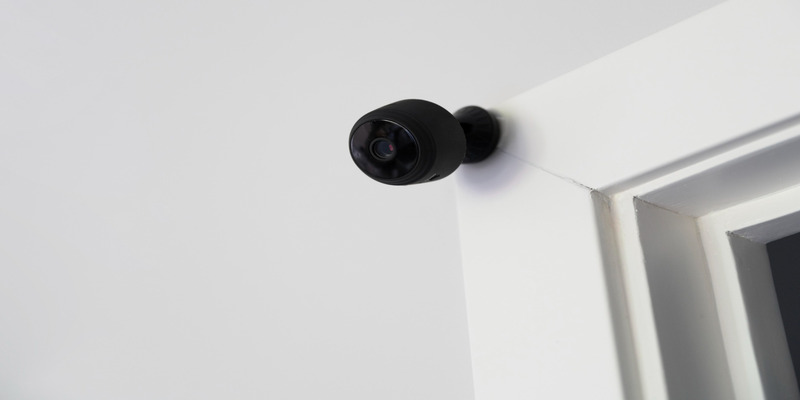
Video doorbells let you confirm guest arrivals and monitor the front entrance without being on-site. Because the camera faces outward and away from the interior, video doorbells comply with Airbnb's surveillance rules as long as you disclose them in your listing description.
💡Airbnb device policy, effective April 30, 2024
All indoor cameras and recording devices are banned, including those turned off or disconnected. Exterior cameras and noise monitors are permitted with disclosure. Smart home devices like Alexa and Google Nest are allowed, and hosts are encouraged but not required to disclose them. Smart assistants with built-in cameras (Echo Show, Nest Hub) count as indoor recording devices and must be removed.
Smart Thermostats and AC Controllers for Vacation Rentals
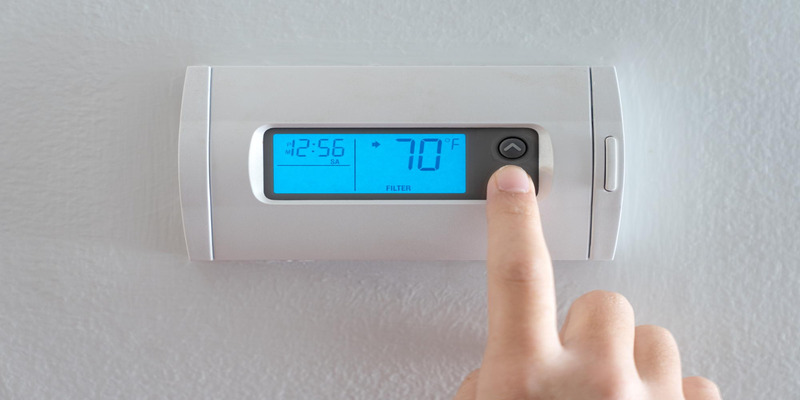 Heating and cooling costs between bookings eat into your margins faster than most hosts realize. A guest who cranks the AC to its lowest setting before a day trip is spending your money on an empty room. Smart climate control devices fix this regardless of your HVAC setup.
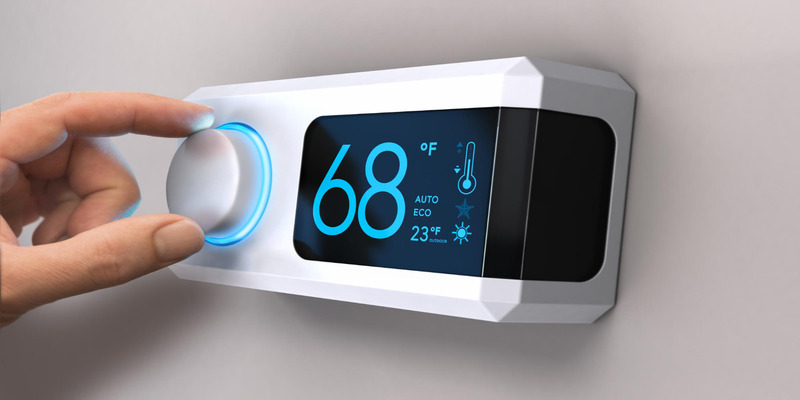
For properties with central ducted HVAC, a smart thermostat like the Ecobee Smart Thermostat Premium or Google Nest gives you remote temperature control, occupancy-based scheduling, and the ability to lock temperature ranges. Did you know that smart thermostats cut about 8% off heating and cooling bills for the average household? Vacation rentals with long vacant stretches see even higher returns.
For properties running ductless mini-splits, window units, or portable air conditioners, a wall thermostat won't work. These systems need a different solution.
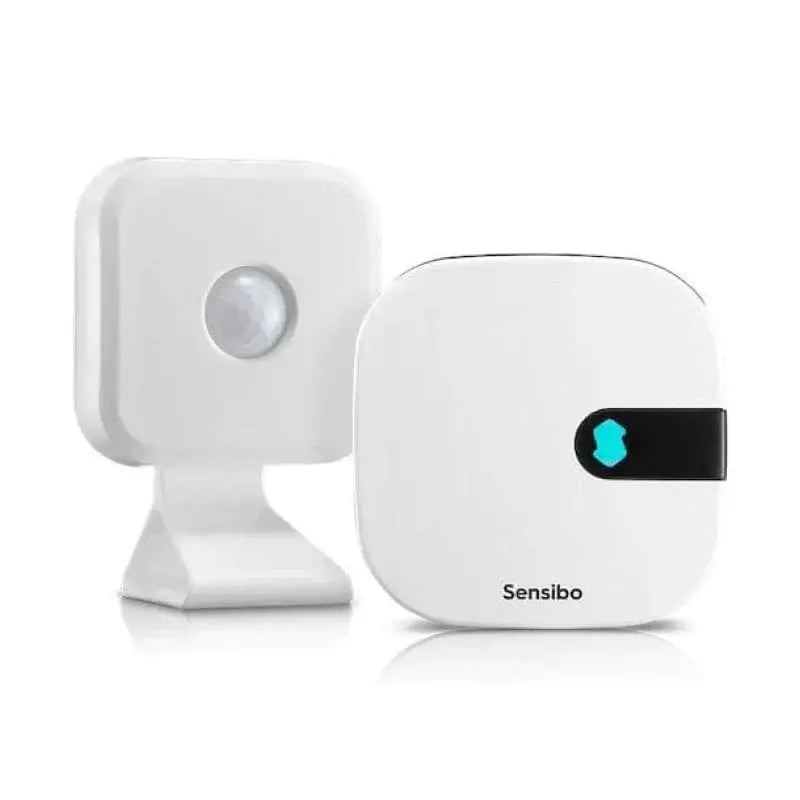
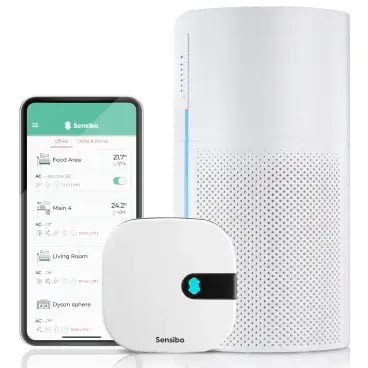
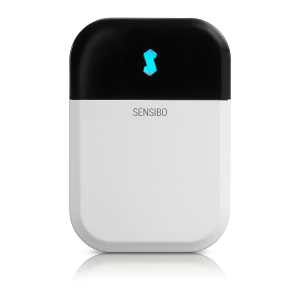
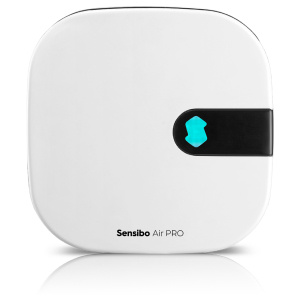
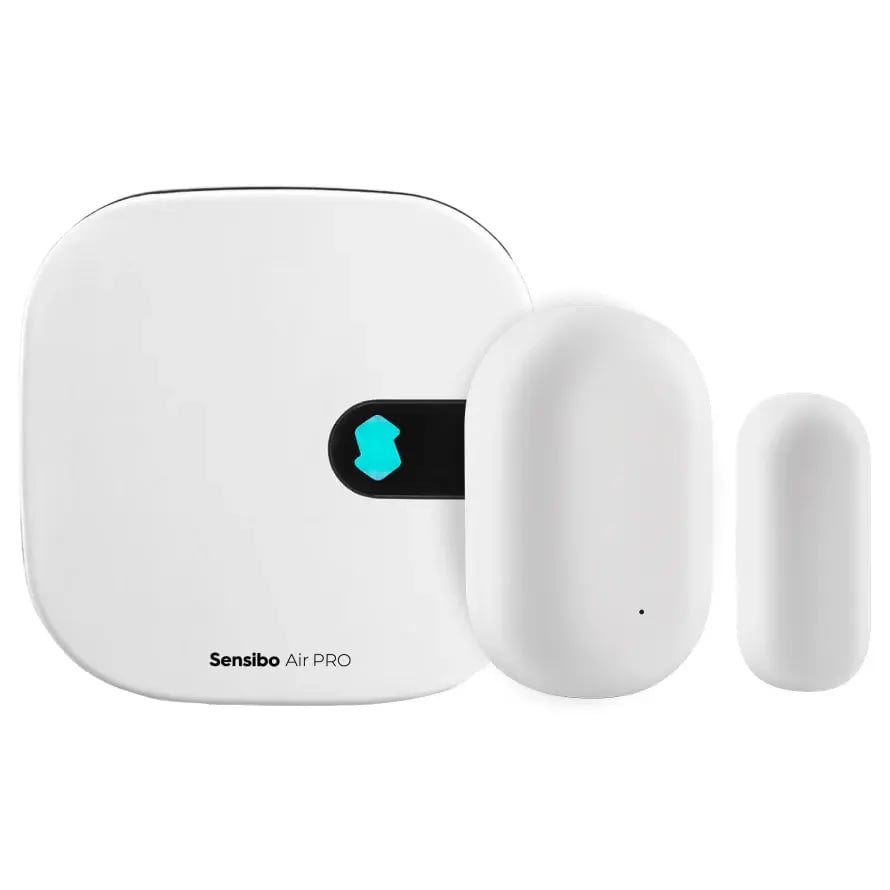
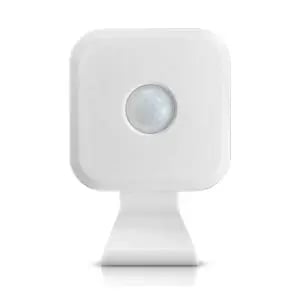
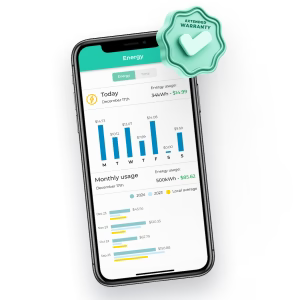
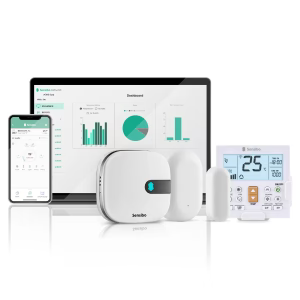
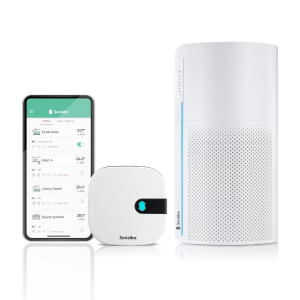
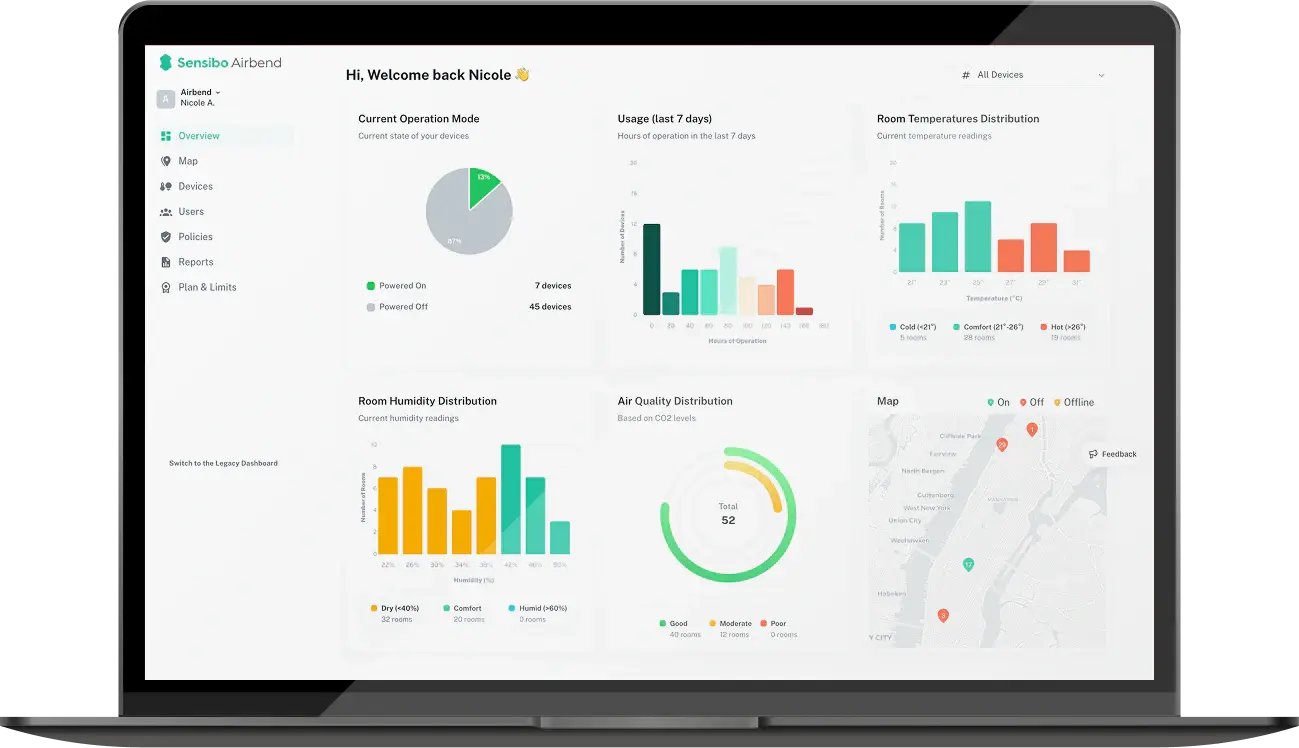
A smart AC controller is a retrofit device that connects to any air conditioner or heat pump with an infrared remote and gives the host full remote control through a phone app. Our Sensibo controller adds scheduling, geofencing, and temperature limits that prevent guests from overriding your preferred settings. Climate React automation adjusts the AC based on real-time room temperature and humidity without manual input.
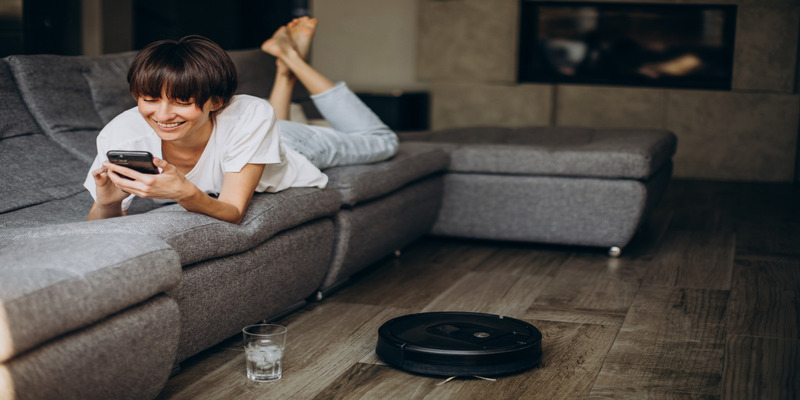 For hosts managing properties with several air conditioning units, Sensibo can control multiple ACs from one dashboard, removing per-unit configuration hassle across listings.
Smart plugs round out the energy picture. Plug space heaters, fans, and floor lamps into smart plugs with scheduling, and you can shut everything off remotely after checkout.
|
Factor |
Smart Thermostat (ducted HVAC) |
Smart AC Controller (ductless systems) |
|
Works with |
Central forced-air systems |
Mini-splits, window units, heat pumps |
|
Installation |
Wiring replacement, may need an electrician |
Stick-on mount, about 1 minute, no tools |
|
Guest override protection |
Temperature range locks |
Temperature limits + scheduling |
|
Remote access |
App-based |
App-based |
|
Energy reporting |
Yes |
Yes |
|
Multi-unit control |
One thermostat per system |
Multiple ACs from one app |
Noise Monitors, Smoke Detectors, and Leak Sensors
Noise and Occupancy Monitors
Noise complaints from neighbors can lead to fines, HOA violations, or listing removal. Devices like Minut and NoiseAware track decibel levels and occupancy patterns without recording any audio. When sound exceeds your threshold, the device alerts you so you can message guests before the situation escalates.
Airbnb permits noise monitors in interior common areas but bans them from bedrooms, bathrooms, and sleeping areas. Disclose them in your listing.
Smart Smoke, CO, and Water Leak Detectors
 Airbnb requires smoke alarms on every listing and CO detectors on properties with fuel-burning appliances. Smart versions like the Google Nest Protect push alerts to your phone the moment they trigger, so you learn about a problem immediately instead of during the next cleaning visit.
Water leak sensors deserve more attention than they get. A $30 sensor placed under a sink or behind a washing machine can catch a slow leak weeks before it becomes a $5,000 repair bill. For hosts who don't visit between every booking, this is one of the highest-value devices available.
Smart Devices That Improve Guest Experience
|
Device |
What Guests Get |
What Hosts Get |
|
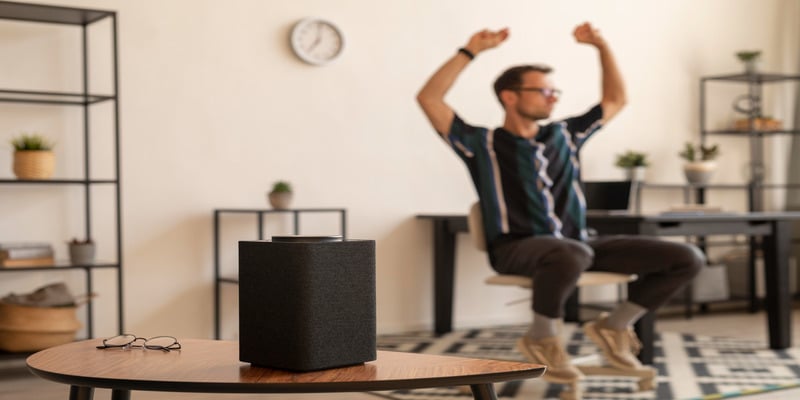
Smart speaker (Echo, Google Home) |
Voice-controlled alarms, music, local recommendations |
An in-property concierge that costs nothing after setup |
|
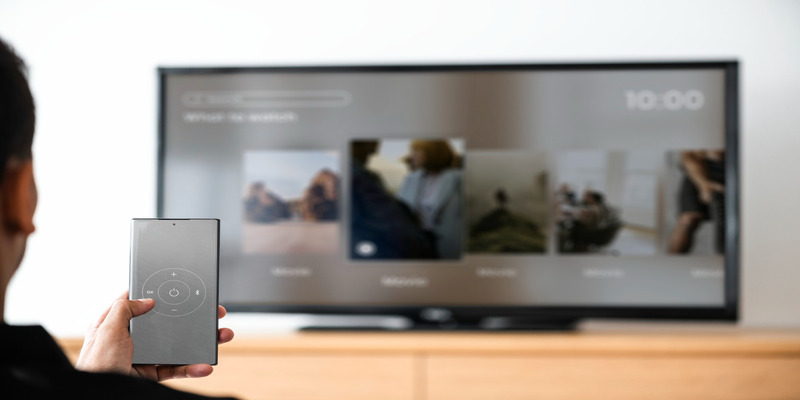
Smart TV with streaming |
A familiar entertainment setup |
Sign out of personal accounts between guests |
|
Motion-sensor pathway lights |
Safe navigation at night in an unfamiliar home |
Lower liability risk, reduced energy use |
|
USB charging stations |
Convenient charging without hunting for outlets |
Higher perceived property value for minimal investment |
None of these devices prevent damage or cut utility bills. They close the gap between a "fine" stay and a five-star review. Guests booking an Airbnb smart home expect a tech-enabled experience similar to what they have at their own place, and listings that deliver consistently earn stronger ratings and repeat bookings.

.jpg?height=200&name=children-holding-their-books-in-the-classroom%20(1).jpg)
-min%20(1).jpg?height=200&name=shutterstock_1616234788%20(1)-min%20(1).jpg)