

























Waking up with a scratchy throat, cracked lips, or dry skin during winter months? Your home's air might be the culprit. When indoor humidity drops below comfortable levels, a humidifier can restore moisture balance and make your living space feel significantly better. This guide covers everything you need to know about what is a humidifier, how these devices work, their key benefits, and how to choose the right one for your home.
What is a Humidifier?
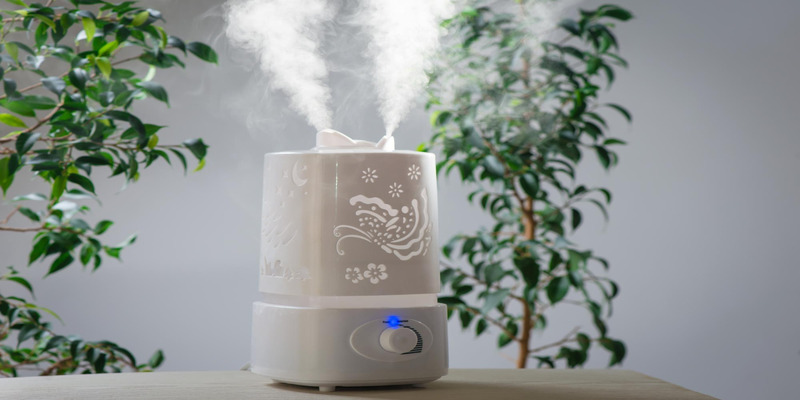
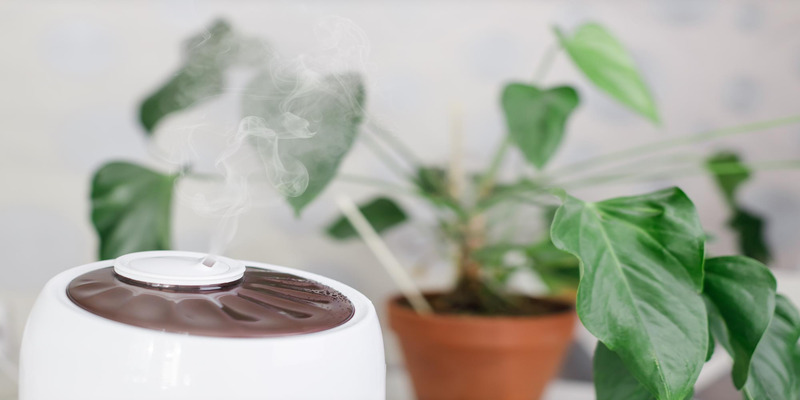
A humidifier is a device that increases moisture levels in indoor air by releasing water vapor or steam into your environment. These appliances raise the relative humidity percentage in a room or throughout your entire home.
Cold air naturally holds less water vapor than warm air. When winter arrives and you fire up your heating system, outdoor air sneaking through windows and doors brings dryness with it. Your skin starts feeling tight, your sinuses get irritated, and even hardwood floors can develop cracks.
A good humidifier counteracts these effects by adding controlled amounts of moisture back into your indoor environment.
How Does a Humidifier Work?
Every humidifier converts liquid water into vapor and disperses it into your space, though different technologies accomplish this through various methods.
Evaporative humidifiers blow air through a wet wick or filter, and the air picks up water particles as it passes over the moistened surface. These models actually self-regulate because water evaporates less readily when the surrounding air already contains moisture.
Ultrasonic humidifiers use high-frequency vibrations to create microscopic water droplets. A metal diaphragm vibrates at ultrasonic speeds, producing nearly silent operation perfect for bedrooms.
Steam vaporizers boil water to create steam that cools slightly before release. The heating process kills waterborne bacteria and mold spores.
Cool mist humidifiers force water through a fine mesh screen without any heating element. Parents often choose these for children's rooms since they eliminate burn risks.
Warm mist humidifiers boil water and release warm steam, adding cozy warmth to your room during cold months.
 Humidifier Benefits Worth Knowing
The humidifier benefits extend far beyond simple comfort, touching everything from your health to your home's condition.
Your respiratory system takes the biggest hit when indoor air dries out. Dry air irritates nasal passages and airways, making you more susceptible to infections. A humidifier keeps mucous membranes moist so breathing becomes easier. When fighting a cold, humidified air shrinks nasal swelling and helps break up congestion.
Your skin and eyes also suffer in dry environments. Low humidity strips moisture from your skin, causing itching and flaking. Contact lens wearers notice immediately when their eyes feel dry and irritated.
Sleep quality improves with balanced humidity levels. Dry air irritates throat tissues and contributes to snoring. When nasal passages stay moist, air flows smoothly and you wake up feeling rested.
Your home benefits too. Wood furniture, hardwood floors, and musical instruments crack or warp in dry environments. Paint peels and wallpaper separates. Proper humidity preserves these investments. Even static shocks from doorknobs disappear when you maintain adequate moisture levels.
When Do You Need a Humidifier?
Several situations call for adding moisture to your indoor air, and recognizing them helps you act before problems develop.
Winter heating season creates the most common need for humidity control. Forced air heating systems circulate warm, dry air throughout your home constantly. Even radiant heat doesn't solve the problem because cold outdoor air infiltrating your house brings dryness regardless of your heating method.
Summer air conditioning also removes moisture as part of the cooling process. Your home can feel dry indoors even when outdoor humidity is high because AC units pull water out of the air.
Health conditions like asthma, allergies, chronic sinusitis, or eczema often improve with proper humidity control. Cracked lips, frequent nosebleeds, and persistent dry coughs typically signal that your air is too dry. Desert climates and high altitude regions naturally have lower humidity year-round, making humidifiers practically essential.
Watch for telltale signs including frequent static shocks, peeling wallpaper, gaps in wood flooring, constantly dry skin, and waking up congested.
Is a Humidifier Safe to Use?
Humidifiers are safe when used and maintained correctly, though a few considerations keep them working properly.
Avoiding over-humidification matters most. The EPA recommends keeping indoor humidity between 30% and 50% because exceeding this range creates conditions where mold, dust mites, and bacteria thrive. A hygrometer helps monitor levels accurately.
Cleaning regularly prevents harmful microorganism buildup. Standing water breeds bacteria and mold surprisingly fast, so empty tanks daily and clean thoroughly every two to three days during use.
Using distilled water reduces maintenance headaches. Tap water minerals accumulate in your humidifier and disperse as white dust throughout your home. Distilled water prevents this buildup.
For children's rooms, cool mist and ultrasonic humidifiers work best because they have no heating elements that could cause burns. Place any unit several feet from beds and out of reach.
How to Choose the Right Humidifier
Selecting a humidifier depends on your needs, room size, and lifestyle preferences.
Room size determines capacity requirements. Manufacturers rate humidifiers by square footage coverage. Personal units handle up to 25 square feet. Tabletop models suit bedrooms. Console humidifiers cover 1,000 square feet or more. Avoid oversizing because excessive power creates humidity and mold problems.
Noise levels matter for bedroom use. Ultrasonic humidifiers operate almost silently while evaporative models use fans that produce noticeable sound.
Maintenance varies significantly. Steam vaporizers accumulate mineral deposits quickly. Evaporative models need filter replacement every one to three months.
Budget ranges accommodate most shoppers. Basic cool mist models start around $20 to $30 while mid range ultrasonic units run $40 to $80. Premium models exceed $100 to $200.
 Humidifier vs. Air Purifier
People often confuse these devices, but they serve completely different purposes. A humidifier adds moisture to air without cleaning or filtering anything. An air purifier removes particles, allergens, and pollutants but doesn't affect humidity levels.
You might need both depending on your situation. Dry winter air benefits from a humidifier while allergens and pollution call for air purification. Some homes run both simultaneously since they complement each other well.
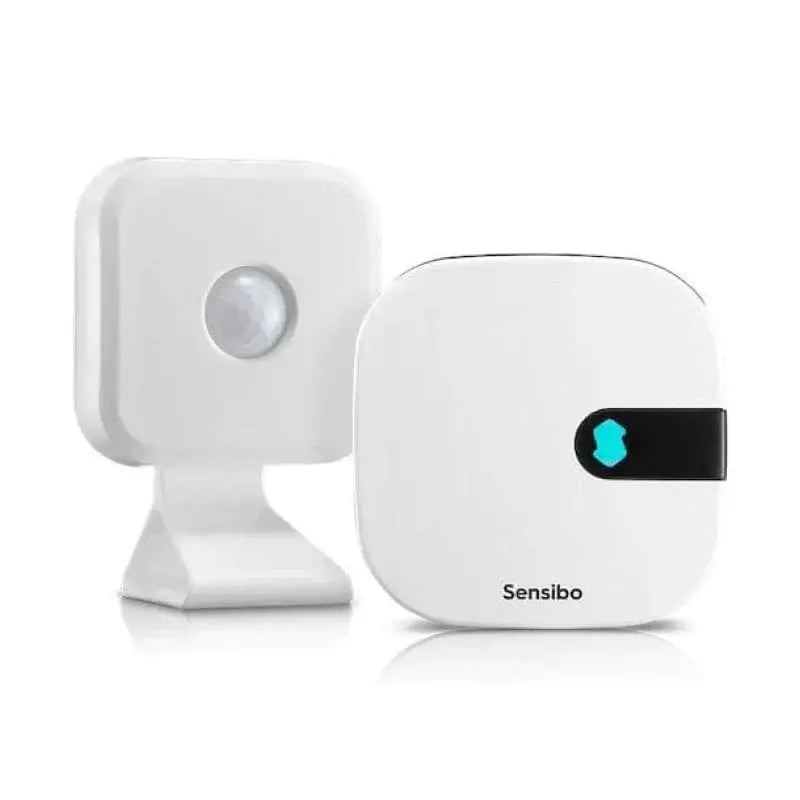
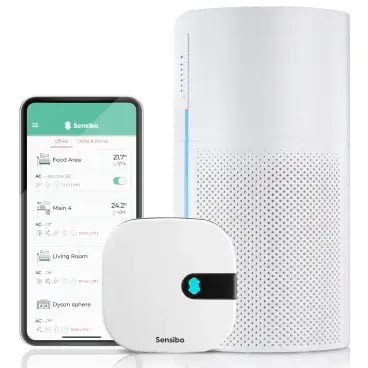
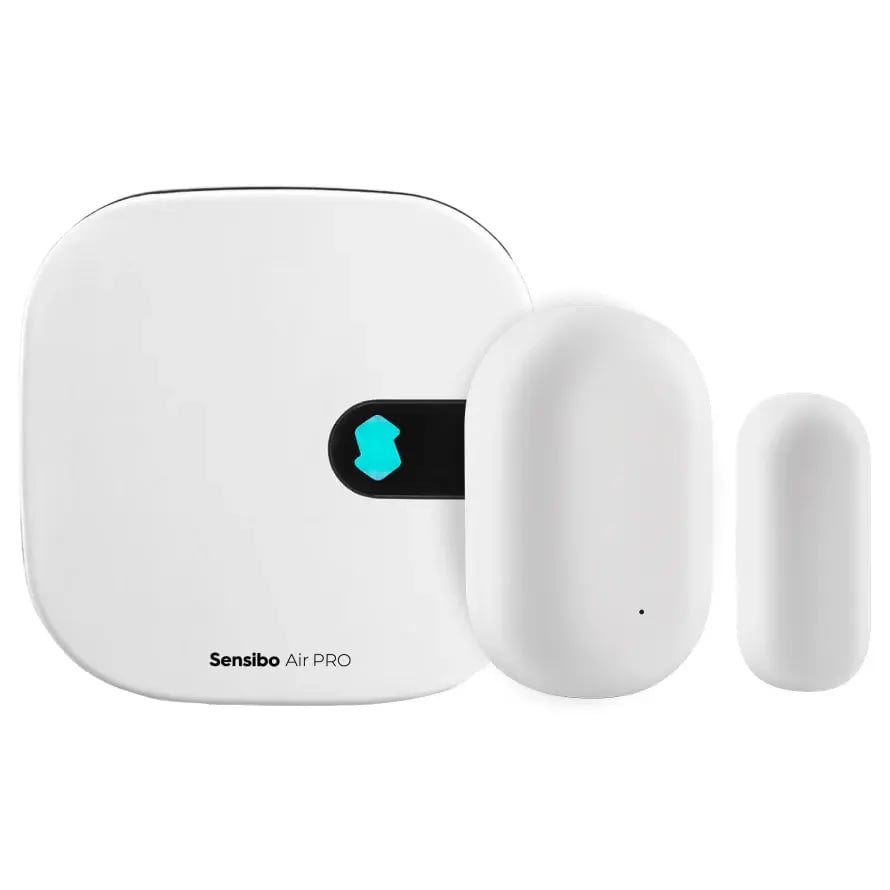
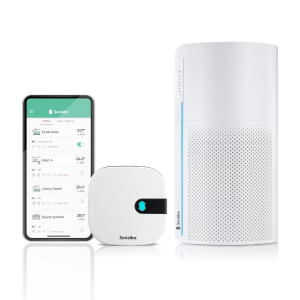
For complete indoor climate control, consider pairing humidity management with smart air conditioning and air quality monitoring. Devices like Sensibo's smart controllers help maintain optimal temperature while separate solutions address humidity and air purity.
Maintaining Your Humidifier
Proper care ensures safe performance and extends your device's lifespan.
Daily maintenance takes just moments. Empty remaining water from the tank each day, wipe dry, and refill with fresh water before use. Stagnant water grows bacteria quickly.
Weekly cleaning keeps everything sanitary. Disassemble removable parts, scrub with mild dish soap, rinse thoroughly, and air dry completely.
Monthly deep cleaning tackles mineral buildup. White vinegar dissolves deposits effectively. Inspect filters and replace according to manufacturer guidelines.
Before storing for summer, clean and dry completely. Clean again before first use next season.
Final Thoughts
Managing indoor humidity quietly affects everything from how well you sleep to how long your hardwood floors last. Unlike complex HVAC upgrades, a quality humidifier delivers noticeable comfort improvements within hours. Start with a hygrometer to understand your home's baseline, then choose a unit matching your space and maintenance commitment.
.jpg?height=200&name=strategic-meeting-room-setting-staged-for-crucial-business-decisions%20(1).jpg)