






















Your nose starts running the moment you walk inside. Your eyes itch, your throat feels scratchy, and you're sneezing more than usual. If these symptoms disappear when you leave the air-conditioned space, you might wonder: Can air conditioning cause allergies?
You're not allergic to your air conditioner itself. The cold air blowing from your AC unit won't trigger an immune response. Your AC becomes a problem when it circulates allergens already hiding inside your home—dust mites, mold spores, pet dander, and pollen. A poorly maintained system makes this worse by creating the perfect environment for mold growth and trapping contaminants in dirty filters.
Once you know what triggers these air conditioner allergy symptoms, fixing them becomes straightforward. Most problems start with maintenance that's been put off for months or years. Dirty filters trap contaminants, moisture builds up, and suddenly your cooling system distributes allergens through every room.
What Are Air Conditioner Allergy Symptoms?
 Air conditioner allergy symptoms mirror typical allergic rhinitis reactions because your immune system responds to airborne allergens, not the cooling system itself. These reactions happen when your HVAC system circulates irritants that trigger your body's histamine response.
Common Respiratory Symptoms
Your respiratory system reacts first when exposed to allergens circulating through your AC:
- Persistent sneezing - Multiple sneezes in succession, especially within minutes of entering an air-conditioned space
- Nasal congestion - Stuffy nose that makes breathing difficult, often accompanied by sinus pressure
- Runny nose - Clear, watery discharge that won't stop
- Coughing - Dry, irritating cough that worsens when the AC runs
- Wheezing or shortness of breath - Particularly concerning for asthma sufferers
Physical Discomfort Indicators
|
Symptom |
What It Signals |
Severity Level |
|---|---|---|
|
Itchy, watery eyes |
Histamine release from airborne particles |
Mild to moderate |
|
Scratchy throat |
Dry air or mold spore irritation |
Mild |
|
Dry, itchy skin |
Low humidity removing moisture from air |
Mild |
|
Frequent nosebleeds |
Overly dry air damaging nasal membranes |
Moderate |
|
Headaches or fatigue |
Poor air quality or oxygen circulation |
Moderate |
|
Hives or rashes |
Direct contact with circulated allergens |
Moderate to severe |
Timing Tells You Everything
The clearest indicator you're reacting to your AC comes from symptom timing. You notice relief within hours of leaving your home or office. Symptoms return consistently when you enter air-conditioned spaces. This pattern distinguishes HVAC-related allergies from seasonal allergies or viral infections.
When Cold Air Triggers True Allergic Reactions
Cold urticaria represents a rare exception where cold temperatures themselves cause allergic reactions. This condition produces hives, swelling, and in severe cases, anaphylaxis when skin comes into contact with old air. Anyone experiencing breathing difficulty, rapid heartbeat, or facial swelling after cold air exposure needs immediate medical attention. This differs from typical air conditioner allergy symptoms caused by circulated allergens.
Non-Allergic Rhinitis: The Confusing Mimic
Your AC might trigger non-allergic rhinitis—sneezing, congestion, and runny nose without actual allergen involvement. Rapid temperature changes from hot outdoor air to cold indoor spaces irritate sensitive nasal nerve endings, causing blood vessels to swell and mucous membranes to activate. Antihistamines won't help this condition because no histamine reaction occurs. The culprit is purely environmental temperature shock combined with excessively dry air.
What Actually Causes These Allergic Reactions?
Your AC doesn't create allergens—it redistributes what's already inside your home. Every cycle pulls air through filters, across coils, and pushes contaminants back through vents into your breathing space.
Mold and Mildew Growth
Evaporator coils collect condensation during cooling. When drainage fails or humidity stays high, moisture creates perfect conditions for mold colonies. The condensate pan underneath your unit collects this water—if it doesn't drain properly, standing water breeds mold within 48 hours.
Mold spores trigger severe respiratory reactions. Black mold produces mycotoxins that cause distress beyond typical allergies. Cleaning mold from your air conditioner requires specific techniques—neglecting this maintenance turns your cooling system into an allergen launcher.
Clogged Filters Trap and Release Allergens
Once saturated, air filters transform from protective barriers into allergen reservoirs. Compressed particles get picked up by passing air and distributed throughout your home. Filter cleaning frequency directly impacts indoor air quality—households with pets or high pollen should change filters monthly, not quarterly.
Dust Mites in Your Ductwork
These microscopic creatures feed on dead skin cells that accumulate in ducts. When your HVAC system runs, dust containing mite feces and body fragments circulates through every room. Dust mites thrive above 50% humidity, so poorly maintained AC units that fail to control moisture create ideal breeding grounds.
Pet Dander Circulates Everywhere
Cat and dog proteins in skin flakes measure just 2.5 microns—small enough to stay airborne for hours. Your ventilation system spreads pet dander from animal areas throughout your entire home, reaching rooms where pets never enter.
Pollen Gets Inside Despite Closed Windows
Pollen enters through door openings, on clothing and hair, through gaps around frames, and via fresh air intake vents. Once inside, it settles on surfaces and gets swept up each AC cycle. A single ragweed plant produces one billion pollen grains per season.
Humidity Imbalances Cause Problems
Optimal indoor humidity ranges between 40-50% for allergen control. Too much moisture encourages mold and dust mites. Too little (below 30%) dries out nasal membranes, causing irritation and nosebleeds that mimic allergic to air conditioning reactions. Maintaining proper humidity levels prevents both extremes.
Bacteria and VOCs
Biofilm inside uncleaned ducts releases bacterial particles into your airflow. Meanwhile, volatile organic compounds from cleaning products, paints, and furniture accumulate when AC runs in recirculation mode, irritating airways without triggering true allergic reactions.
How to Prevent and Reduce AC Allergies
 Stopping air conditioner allergy symptoms requires attacking the source, not just treating reactions after they start. These strategies address the root causes living inside your HVAC system.
Upgrade Your Air Filters
Standard fiberglass filters catch large debris but miss microscopic allergens. HEPA (High-Efficiency Particulate Air) filters capture 99.97% of particles down to 0.3 microns—including pollen, mold spores, and pet dander.
Filter upgrade options:
|
Filter Type |
MERV Rating |
What It Captures |
Replacement Frequency |
|---|---|---|---|
|
Basic fiberglass |
1-4 |
Large dust, lint |
Every 30 days |
|
Pleated |
5-8 |
Dust mites, pollen, mold spores |
Every 60-90 days |
|
High-efficiency pleated |
9-12 |
Pet dander, smaller particles |
Every 90 days |
|
HEPA |
13-16 |
Bacteria, smoke, microscopic allergens |
Every 6-12 months |
Check your system's specifications before installing HEPA filters—some units can't handle the restricted airflow and may require professional modifications.
Establish a Rigorous Cleaning Schedule
Your AC accumulates allergens faster than you realize. Visible dirt means you've waited too long.
Monthly tasks:
- Inspect and replace filters (or clean reusable ones)
- Wipe down accessible vent covers with damp cloths
- Check condensate drain line for clogs
- Look for moisture or discoloration around vents
Seasonal maintenance:
- Clean evaporator and condenser coils
- Flush condensate pan with diluted bleach solution
- Vacuum supply and return vents thoroughly
- Schedule professional duct inspection
Control Indoor Humidity Levels
Your hygrometer should read between 40-50% year-round. Humidity above 50% breeds mold and dust mites. Below 40% dries out respiratory passages and makes you more susceptible to irritants.
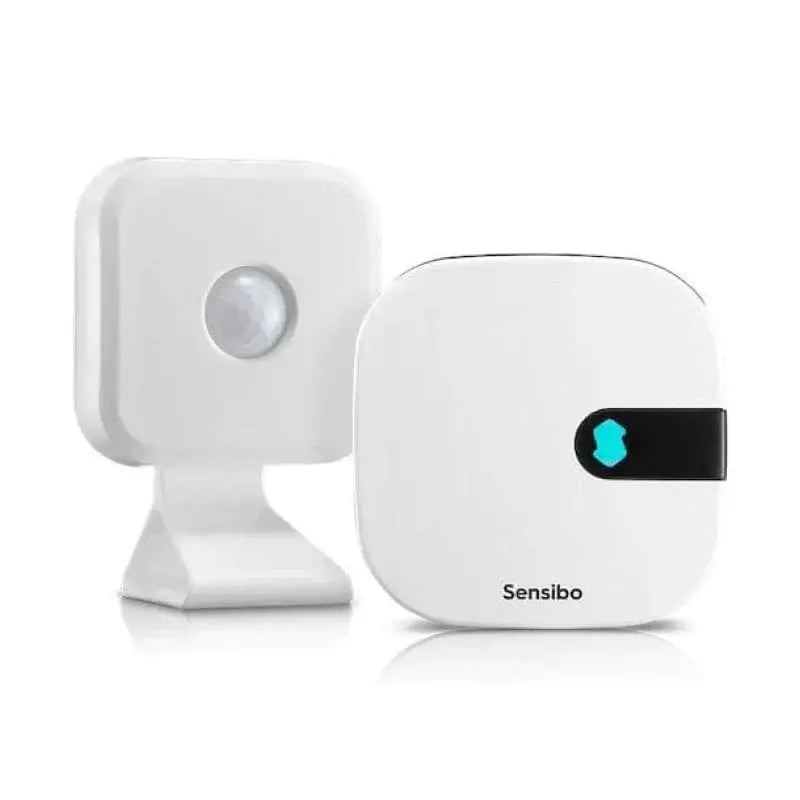
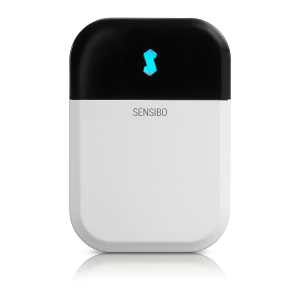
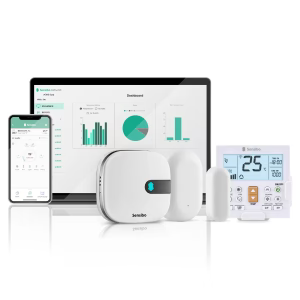
Standalone dehumidifiers work for humid climates or basements. Whole-house humidifiers integrate with your HVAC system for consistent moisture control. Some smart AC controllers monitor humidity and adjust operation automatically to maintain optimal ranges.
Consider Professional Duct Cleaning
Ducts accumulate years of biological debris—dead skin cells, pet hair, pollen, mold spores, and dust mite colonies. Professional cleaning removes this reservoir before it enters your breathing space.
The National Air Duct Cleaners Association recommends cleaning every 3-5 years, or more frequently if you have:
- Multiple pets that shed
- Recent home renovations
- Visible mold growth near vents
- Family members with severe allergies or asthma
- Vermin infestation in ductwork
Expect to pay $300-500 for whole-house duct cleaning. Avoid companies offering deals under $100—thorough cleaning requires specialized equipment and takes several hours.
Add Air Purification Systems
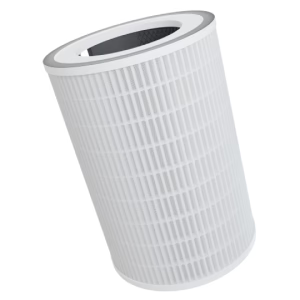
Portable HEPA air purifiers remove 99.97% of particles including dust, pollen, pet dander, mold spores, and bacteria. Place units in bedrooms and high-traffic areas where you spend most time. Look for Clean Air Delivery Rate (CADR) ratings matching your room size—this metric tells you how quickly the purifier cleans air in your specific space.
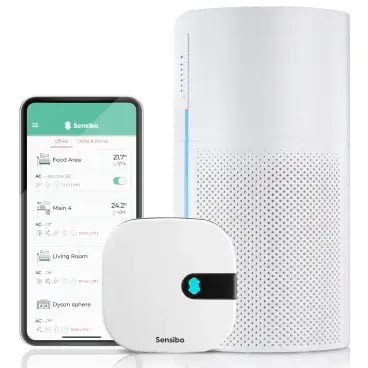
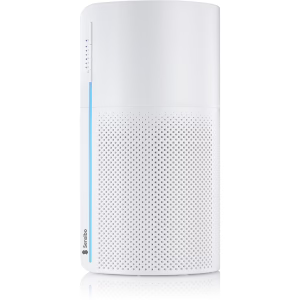
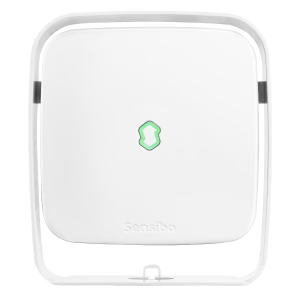
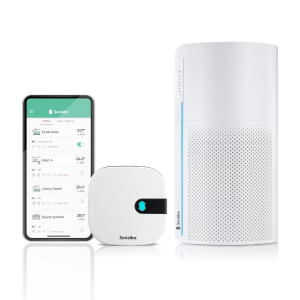
Smart air purifiers like Sensibo Pure respond to real-time air quality changes, automatically adjusting fan speeds when pollution levels rise. This hands-off approach means you get continuous protection without manual adjustments.
UV-C light systems installed inside ducts kill mold, bacteria, and viruses before they circulate. These work continuously while your HVAC runs, destroying microorganisms at the DNA level.
Reduce Allergen Sources in Your Home
Even perfect AC maintenance can't compensate for excessive allergen production:
- Vacuum carpets twice weekly with HEPA-filtered vacuums
- Wash bedding in hot water (130°F+) weekly to kill dust mites
- Keep pets out of bedrooms if you have dander sensitivity
- Remove shoes at entry points to prevent outdoor pollen tracking
- Use exhaust fans when cooking or showering to reduce moisture
Optimize Your AC Usage Patterns
Smart operation reduces allergen circulation. Run your system continuously on low fan speed rather than intermittent high-speed cycles. Constant airflow provides better filtration and prevents temperature fluctuations that stress respiratory systems.
During high pollen seasons, keep windows closed and use recirculation mode. When outdoor air quality improves, crack windows briefly to prevent indoor air from becoming stagnant.
Smart Controllers Monitor Air Quality
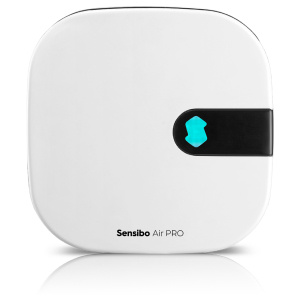
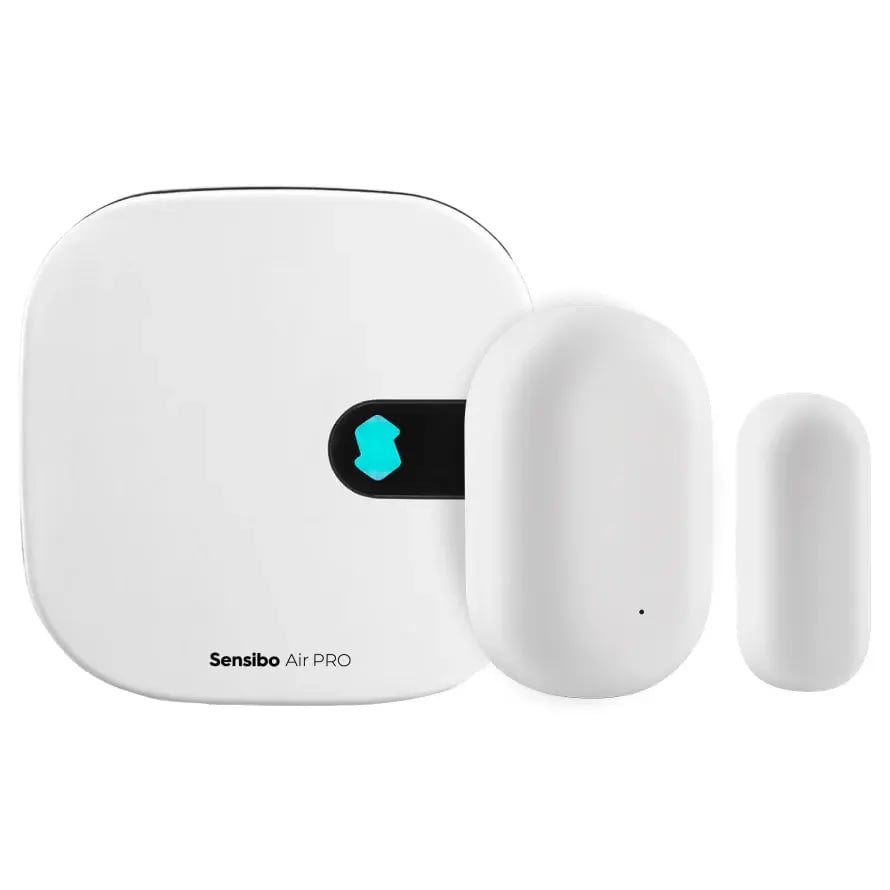
Modern smart thermostats and AC controllers track indoor air quality metrics including particulate matter, VOCs, and humidity. Some models automatically adjust operation or send alerts when allergen levels spike, giving you real-time data to manage your indoor environment proactively.
Reset Your AC Unit After Major Cleaning
After deep cleaning or filter replacement, reset AC unit settings to ensure optimal performance. Some systems need manual resets to recalibrate airflow sensors after maintenance. Check your owner's manual for specific reset procedures—this simple step prevents the system from compensating for restrictions that no longer exist.
When to Call Professionals
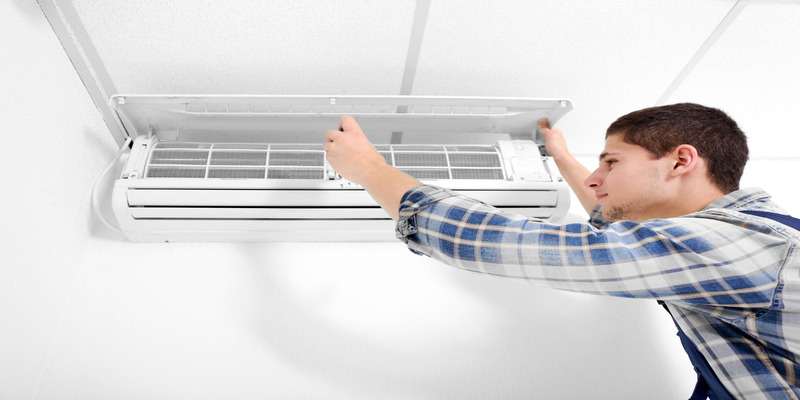
Persistent musty odors despite cleaning indicate hidden mold inside ductwork or the air handler. Unusual sounds (rattling, buzzing, clicking) suggest mechanical problems affecting air quality. Refrigerant leaks produce chemical smells and reduce cooling efficiency. HVAC technicians have tools to inspect areas you cannot reach and fix problems before they worsen.
 When to Seek Medical Help
Most air conditioner allergy symptoms respond to home remedies and maintenance improvements. However, certain signs indicate you need a professional medical evaluation.
Emergency Warning Signs
Seek immediate medical attention if you experience:
- Difficulty breathing or shortness of breath that worsens rapidly
- Chest tightness or wheezing that doesn't improve after leaving the air-conditioned space
- Swelling of face, lips, tongue, or throat (signs of anaphylaxis)
- Rapid heartbeat or dizziness combined with cold air exposure
- Severe hives or rash spreading across your body
These symptoms could indicate cold urticaria or severe allergic reactions requiring emergency intervention. Anaphylaxis can become life-threatening within minutes.
Signs You Need an Allergist
Schedule an appointment with a board-certified allergist if:
- Symptoms persist for more than two weeks despite AC maintenance
- Over-the-counter antihistamines provide no relief
- You experience frequent sinus infections (three or more per year)
- Symptoms interfere with sleep, work performance, or daily activities
- You're unsure which specific allergens trigger your reactions
- Asthma symptoms worsen when AC runs
Allergists perform skin prick tests or blood tests to identify specific triggers—dust mites, mold species, pet dander, or pollen types. Pinpointing exact allergens lets you target prevention efforts effectively rather than guessing.