

















How to Reset an Air Purifier? Guide for All Types of Air Purifiers

.jpg)
Key Takeaways
- Unplug first, always. Every reset procedure starts with disconnecting the unit from power.
- The reset button location varies by type. HEPA models put it on the control panel, ionic purifiers may require cleaning electrostatic plates before resetting, and UV air purifiers tie the reset to lamp replacement cycles.
- Smart air purifiers often reset through their companion app, not a physical button.
- Filter indicator lights are timers, not sensors. They count hours of use and have no way to measure actual filter condition.
- A stuck filter light after a proper reset is the most common complaint. The fix is often holding the button longer, switching to auto mode first, or doing a full 5-minute unplug to drain the capacitor.
- Most post-reset problems trace to installation mistakes, like leaving plastic packaging on a new filter, inserting it backwards, or not latching the compartment door fully.
Most air purifiers flash a filter indicator light after a set number of operating hours, not because something is wrong, but because the internal timer hit its limit. Knowing how to reset air purifier models correctly after a filter swap or error code prevents unnecessary service calls and keeps the unit running at full capacity.
General Steps to Reset an Air Purifier
A reset clears the internal timer that tracks filter usage hours and removes stored error codes from the system memory. The process does not restore factory settings or erase Wi-Fi configurations on connected models.
Follow these steps for most air purifiers on the market.
- Switch off the unit and unplug it from the wall outlet.
- Locate the reset button on your air purifier. It may be labeled "Reset," "Filter Reset," or marked with a circular arrow icon. Check the user manual if the button is not immediately visible, since some manufacturers place it on the back or side panel.
- Press and hold the reset button for 3 to 5 seconds. Certain models require pressing two buttons at the same time.
- Wait for the indicator light to blink, change color, or turn off. That confirms the reset is complete.
- Plug the unit back in and power it on. Verify that filter warning lights and error codes have cleared.
❓Why check maintenance indicators after every reset? The indicator light resets the hour counter to zero. If you reset without replacing the filter, the timer will count from scratch while the old filter continues to degrade. Always confirm the filter is fresh or properly cleaned before you reset the timer.
How to Reset a HEPA Air Purifier
A HEPA air purifier captures particles as small as 0.3 microns, pulling allergens, dust, pollen, pet dander, and mold spores out of circulation. The dense fiber mesh that makes HEPA filtration effective also means these filters load up with debris faster than other types, and the reset cycle tends to come around every 6 to 12 months depending on air quality and runtime.
Locating the Reset Button on HEPA Models
The reset button sits on the front control panel on most HEPA air purifier units, labeled "Filter Reset" or simply "Reset." Some compact models tuck it behind a small pinhole on the side or back of the housing. If you cannot find it, the user manual will specify both the location and the hold duration required.
Reset Procedure After a HEPA Filter Change
- Remove the spent HEPA filter and install the replacement according to the manufacturer's direction. Make sure the filter sits flush and the airflow arrow matches the housing markings.
- Unplug the unit from the wall.
- Press and hold the reset button for 3 to 5 seconds. On dual-button models, hold both simultaneously.
- Watch for the filter indicator light to blink or shift color. Release the button once it does.
- Reconnect power and turn the purifier on. The filter warning light should be off.
Clearing Error Codes on HEPA Models
|
Error Code Type |
Likely Cause |
Fix |
|
Flashing red filter light |
Filter timer expired |
Replace filter, then reset |
|
Solid red light with beep |
Airflow obstruction |
Check intake and exhaust vents for blockages |
|
Blinking error number |
Sensor malfunction or misaligned filter |
Reseat the filter, unplug for 60 seconds, then reset |
|
Persistent code after reset |
Hardware failure |
Contact the manufacturer's support line |
If an error code reappears immediately after a successful reset, the problem sits outside the software. Inspect the intake and output vents for dust buildup, confirm the filter is seated correctly, and check that the unit receives stable power from the outlet.
How to Reset an Ionic Air Purifier
An ionic air purifier generates negatively charged ions that bond with airborne particles like dust, pollen, and smoke. The particles gain weight, drop out of the air, or collect on electrostatic plates inside the unit. Because ionic purifiers rely on charged plates rather than disposable filters, the reset process is tied to cleaning those plates rather than swapping a cartridge.
Cleaning Before You Reset
Dirty electrostatic plates reduce ion output and trigger the maintenance indicator. Clean them before resetting.
- Power off and unplug the unit.
- Open the housing and slide the electrostatic plates or collection grid out.
- Wipe each plate with a damp cloth or soft sponge. Stubborn residue comes off with a mild dish soap solution. Let the plates dry fully before reinserting them. Moisture on the plates during operation can cause arcing.
- Reassemble the unit and close the housing.
Resetting the Ionic Purifier
Plug the unit back in and locate the reset button on the control panel. Press and hold it for 3 to 5 seconds until the indicator light confirms the reset. Power the purifier on and verify that no error codes appear. If the maintenance light returns within a few days, the plates may need a deeper soak or the ionizer wire could be worn and in need of replacement.
How to Reset a UV Air Purifier
A UV air purifier draws room air through a chamber lined with UV-C lamps. The ultraviolet light damages the DNA of bacteria, viruses, and mold spores, rendering them inactive. The UV lamp itself degrades over time. Most manufacturers recommend replacing it every 6 to 12 months, and the reset indicator is pegged to that replacement cycle.
Inspecting and Replacing the UV Lamp
- Unplug the unit and allow the lamp to cool if it was running.
- Open the lamp access panel. Some models require removing a screw or sliding a latch.
- Check the lamp for darkening at the ends or visible cracks. A lamp that still illuminates can still be past its effective germicidal output.
- If the lamp needs replacing, remove it gently and install the new one following the orientation markings in the chamber.
- Close the panel securely. The UV air purifier will not operate if the safety interlock on the panel door is not engaged.
Resetting the UV Indicator
Plug the unit back in. Find the UV reset button on the control panel, which is separate from the filter reset on combination units. Press and hold it for 3 to 5 seconds until the UV indicator light turns off or changes state. Power the purifier on and confirm the UV air purifier lamp activates and the indicator reads normal.
How to Reset an Activated Carbon Air Purifier
Activated carbon filters trap gases, odors, and volatile organic compounds through adsorption. The carbon granules have a massive surface area relative to their size, and once that surface saturates with captured molecules, the filter stops working. There is no cleaning method that restores a spent carbon filter. Replacement is the only option.
Carbon Filter Replacement and Reset
- Power off and unplug the purifier.
- Open the filter compartment, usually located at the back or base of the unit.
- Remove the old carbon filter. Note the airflow direction arrow printed on the frame.
- Insert the new filter with the arrow matching the original orientation.
- Close the compartment and make sure the cover latches fully.
Plug the unit in and press the filter reset button on the control panel. Hold for 3 to 5 seconds until the filter indicator clears. Turn the purifier on and confirm normal operation.
💡A note on combination filters. Many purifiers pair an activated carbon layer with a HEPA filter in a single cartridge. These combination units typically have one shared reset button. Replacing one layer without the other is not possible on these models. The entire cartridge goes at once.
How to Reset a Smart Air Purifier
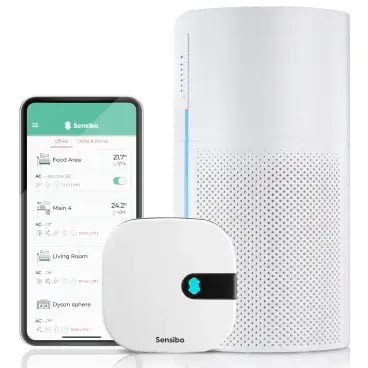
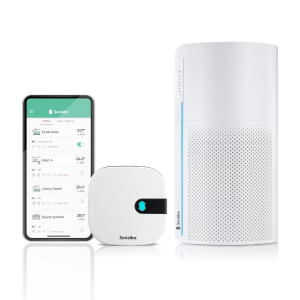
A smart air purifier connects to Wi-Fi and pairs with a companion app on your phone, giving you remote monitoring, real-time air quality data, and automatic adjustments based on sensor readings. Some models also integrate with voice assistants like Alexa, Google Assistant, or Apple HomeKit. The reset process on these units can happen through the app, the physical control panel, or both.
App-Based Reset
- Power off and unplug the purifier.
- Open the companion app and make sure your phone and the purifier connect to the same Wi-Fi network.
- Go to device settings or device management within the app.
- Tap the "Reset" or "Filter Reset" option and follow the on-screen prompts.
- Plug the purifier back in and power it on. The app should reflect the updated filter status.
Control Panel Reset
If the app reset fails or the Wi-Fi connection drops, you can reset smart air purifier models manually. Press and hold the reset button on the physical control panel for 3 to 5 seconds until the indicator light confirms the reset. This does not erase the Wi-Fi pairing or your custom schedules in most cases.
Firmware Updates After a Reset
Open the app and check for pending firmware updates after completing a reset. Manufacturers push updates that fix bugs, improve sensor calibration, and add new automation features. Download and install any available update without interrupting the process. Once the update finishes, power cycle the unit to apply the new firmware.
Common Problems That Trigger a Reset (and What to Do When It Fails)
The reset procedure itself is simple. The frustration starts when you follow every step correctly and the light stays on, the smell persists, or the unit still behaves like something is wrong. These six problems account for the vast majority of post-reset complaints across all purifier types.
Filter Indicator Light Stays On After Reset and Filter Change
This is the single most common air purifier complaint in forums, support threads, and product reviews. The light refuses to clear even though you pressed the button, held it for the right duration, and installed a fresh filter.
The fix depends on a detail most user manuals bury in fine print. Some models require the unit to be powered ON during the reset, not off. Others need to be switched to auto mode before the reset button will register. A third group uses a completely different button than the one labeled "Reset," like the timer button or the night light button.
If you have tried the standard hold-and-release and the light persists, work through this sequence.
- Unplug the unit and leave it disconnected for a full 5 minutes. This drains residual charge from the internal capacitor and clears minor memory glitches.
- Plug it back in and power it on.
- Switch the fan to auto mode (if available).
- Press and hold the reset button for 7 to 10 seconds, longer than the manual suggests. Release only after the light blinks or turns off.
- If that still fails, try holding each button on the panel individually for 5 seconds. On certain budget models, the reset function is mapped to an unlabeled button.
On older units that have been running for several years, the reset circuit itself can wear out. The light stays on permanently regardless of input. The purifier still functions normally in this state. Tape over the light, or contact the manufacturer about a board replacement if the unit is under warranty.
Air Quality Sensor Stuck on Red
The colored LED that indicates air quality (green for good, red for poor) reads from a small particulate or VOC sensor, usually behind a tiny grille or slot on the side or back of the housing. Dust and cooking residue coat that sensor over time, and once the inlet is dirty enough, it reads high particle counts constantly and locks the indicator on red.
- Run a dry cotton swab or soft lint-free cloth across the sensor opening.
- On models with a removable sensor cover, take it off and blow compressed air into the inlet from a few inches away.
- Power cycle the unit and let it run for 10 to 15 minutes.
❗Do not confuse the air quality indicator with the filter replacement light. They are separate systems. The air quality LED responds to real-time sensor data. The filter light counts operating hours. A red air quality reading does not mean the filter needs changing, and a filter reset will not affect the sensor reading.
Musty or Burning Smell After a Filter Change
|
Smell |
Cause |
Fix |
|
Hot plastic, chemical |
Plastic wrapping left on the new filter. The inner sleeve blocks airflow and the motor overheats. |
Remove the filter, strip all packaging including any inner plastic sleeve, reinstall. |
|
Sour, stale, rancid |
Saturated activated carbon layer releasing trapped odors back into the airstream (odor breakthrough). |
Replace the carbon filter. A spent carbon filter smells sour or chemical when you pull it out. |
|
Musty, damp, earthy |
Mold growing on interior housing surfaces or fan blades from running in high-humidity rooms. |
Wipe the entire interior with a dry cloth, then a cloth lightly dampened with diluted white vinegar. Air-dry fully before reassembling. |
Weak or No Airflow After a Reset
The number one cause is packaging left on the new filter. Some manufacturers now print "REMOVE THIS WRAPPER BEFORE USE" in bright red across the plastic. Pull the filter out and check.
If the packaging is removed, work through these three checks.
- Airflow direction arrow. Every filter has one printed on the frame. It must match the arrow on the housing. A backwards filter creates enough restriction to drop airflow to nearly zero.
- Compartment door latch. Units with a safety interlock will not spin the fan if the door is even slightly ajar. Push the panel until it clicks.
- Magnetic reed switch (aftermarket filter issue). Some models use a magnet or contact point to detect the filter. Third-party filters that are thinner or missing the magnetic strip will not trip the sensor, leaving the unit stuck in standby.
Touch Controls or Buttons Unresponsive
|
Check |
What to look for |
Fix |
|
Child lock |
A lock feature activated by holding the power button or lock icon for 3 seconds. Every button on the panel goes dead except the unlock combination. |
Check the manual for the unlock sequence and hold the specified button(s). |
|
Filter cover safety switch |
Several brands disable all controls when the cover is open or improperly seated. Separate mechanism from the airflow interlock. |
Remove and firmly reseat the cover until it clicks. |
|
Firmware freeze (smart models) |
Touch panel completely unresponsive, no lights or stuck display. |
Unplug for a full 5 minutes to let firmware dump volatile memory. After reconnecting, check the companion app for pending firmware updates. |
Ozone Smell from an Ionic Air Purifier
An ionic air purifier produces trace amounts of ozone as a byproduct of the ionization process. At low concentrations, the smell is faint and metallic. At higher concentrations, it becomes sharp and irritating, and prolonged exposure can aggravate the lungs, trigger headaches, and worsen asthma symptoms.
Clean the electrostatic plates and the ionizer needle or wire first. Buildup on these components forces the ionizer to work harder, which raises ozone output. If the smell persists after cleaning, switch the ionizer off using the "ionizer off" toggle (available on many models) and rely on the mechanical filtration alone. California's Air Resources Board (CARB) maintains a list of air purifiers that meet ozone emission limits. A HEPA air purifier produces zero ozone and eliminates this issue entirely.
When to Contact Customer Support
A reset fixes software-side issues. It clears timers, removes error codes, and re-establishes baseline readings. If the problem persists after two full reset attempts and the troubleshooting steps above, the fault sits in the hardware.
Reach out to the manufacturer if the error code does not appear in your user manual, if the fan motor hums but the blades do not spin, if the unit overheats or shuts off within minutes of starting, or if visible damage (cracked housing, corroded contacts, bent filter frames) is present. Keep the unit under warranty by avoiding any disassembly beyond standard filter access. Technical support teams can walk you through deeper diagnostics or arrange a replacement if the unit has a confirmed defect.
FAQ
Can I reset the filter indicator light without replacing the filter?
You can. The reset button clears the hour counter regardless of the filter's condition. But doing this defeats the purpose of the indicator system. The timer will restart from zero, and you will have no reliable way to track how many hours the old filter has been running. Only reset without a filter swap if you accidentally triggered the light early or if you run the purifier in a very clean environment and the filter still has life left based on visual inspection.
Why is the red light still on after I changed the filter and pressed reset?
The most common cause is not holding the button long enough. Many models need a full 5 to 10 seconds, not the 3 seconds printed in the quick-start guide. The second cause is attempting the reset while the unit is powered off. Several brands (Levoit, Coway, Blueair) require the purifier to be ON and running before the reset button will register. Try powering the unit on, switching to auto mode, and then holding the reset button for 10 seconds.
How often do I need to reset my air purifier?
Only after replacing or cleaning a filter. There is no maintenance benefit to resetting on a schedule. The reset clears the internal timer so it can begin counting fresh hours on the new filter. If you have not changed the filter, there is no reason to reset.
Does a factory reset erase my Wi-Fi settings and schedules?
A filter reset does not. It only clears the filter timer and any active error codes. A factory reset is a separate, more aggressive procedure that wipes Wi-Fi pairing, custom schedules, fan speed preferences, and app connections. Most purifiers require a different button combination for a factory reset, and the user manual will distinguish between the two. Do not perform a factory reset when you only need a filter reset.
What happens if I never reset the filter light after changing the filter?
The purifier keeps working normally. Air filtration is not affected. The only consequence is that the indicator light stays on permanently, and the internal timer cannot accurately track the new filter's usage hours. You will not receive a timely alert when the replacement filter reaches the end of its service life.
Can aftermarket filters cause reset problems?
They can on certain models. Some purifiers use a magnetic reed switch or a physical contact point to detect the filter's presence. Aftermarket filters that are slightly thinner, shorter, or missing the magnetic strip will not trip the sensor, and the unit may refuse to power on or accept a reset. If the reset fails after installing a third-party filter, check that the filter sits flush in the housing and that any contact points or magnets align with the original design. OEM filters eliminate this variable entirely.
.jpg?height=200&name=photo_2024-03-28_19-57-48%20(1).jpg)