























Your air conditioner running but not cooling ranks among the most maddening home comfort failures. The unit hums along, electricity flows, fans spin—yet your house feels like a sauna. Before you panic-call an HVAC technician, know that most cooling failures trace back to fixable issues you can diagnose yourself.
Quick Diagnostic Guide
|
Symptom |
Likely Cause |
DIY or Pro? |
|
Weak airflow from vents |
Dirty filter or blocked ducts |
DIY |
|
AC runs but house stays warm |
Thermostat settings or dirty coils |
DIY first |
|
Ice on refrigerant lines |
Frozen coils or low refrigerant |
DIY, then Pro if it returns |
|
Hissing sound near indoor unit |
Refrigerant leak |
Pro only |
|
Outdoor fan not spinning |
Failed motor or capacitor |
Pro |
|
Some rooms cooler than others |
Duct leaks or blockages |
DIY check, Pro for sealing |
|
System cycles on/off rapidly |
Thermostat issue or wrong AC size |
DIY check, then Pro |
1. Dirty or Clogged Air Filters
When your AC is not cooling properly, start here. Your filter traps dust, pet hair, and debris before they reach internal components. After a few months, that mesh panel can look like a gray felt blanket—and a clogged filter makes your system work twice as hard while delivering half the comfort.
You'll notice weak airflow from vents, a system that runs constantly without reaching set temperature, and visible dust buildup on vent covers.
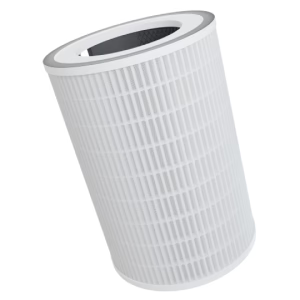
Locate your filter behind a return vent or inside the air handler. Hold it up to light—a clean filter lets light through easily. Replace every 30 to 90 days depending on pets and air quality. If you want to establish a proper cleaning schedule for your AC filters, consistent maintenance prevents this problem entirely.
Call a pro if you've replaced the filter but airflow remains weak. Ductwork issues or blower problems may be the real culprit.
2. Thermostat Problems
Sometimes the simplest explanation wins. When your air conditioning not cooling seems mysterious, the thermostat might be the entire problem—and the easiest to fix.
The signs include a display showing correct settings while the system doesn't respond, erratic cycling on and off, or temperatures throughout your home that don't match what the thermostat shows.
Replace batteries even if you think they're fine—weak batteries cause strange behavior. Verify the mode is set to "cool" (not "fan only") with temperature at least 5 degrees below current room temp. Check whether your thermostat sits near a sunny window or heat source, which makes it read higher temperatures than reality.
Call a pro if fresh batteries and correct settings don't help, or if your thermostat is over 10 years old. Wiring issues and calibration problems need professional diagnosis.
3. Frozen Evaporator Coils
Ice forming on your indoor coils sounds impossible—the system produces cold air, after all. But frozen evaporator coils represent a common reason for air conditioning not cooling your home. When airflow drops or refrigerant runs low, coils get too cold and moisture freezes on contact. Once ice coats them, cooling stops completely.
Look for ice visible on refrigerant lines near the indoor unit, water pooling around the air handler, or warm air from vents despite the system running.
Turn off the system completely and let ice melt—this takes several hours. Running a frozen system risks serious compressor damage. While waiting, check your air filter and replace if dirty. Once everything thaws, restart and monitor closely.
Call a pro if ice returns after thawing and filter replacement. Recurring freezing usually means refrigerant leaks or airflow problems beyond filter issues.
4. Dirty Condenser or Evaporator Coils
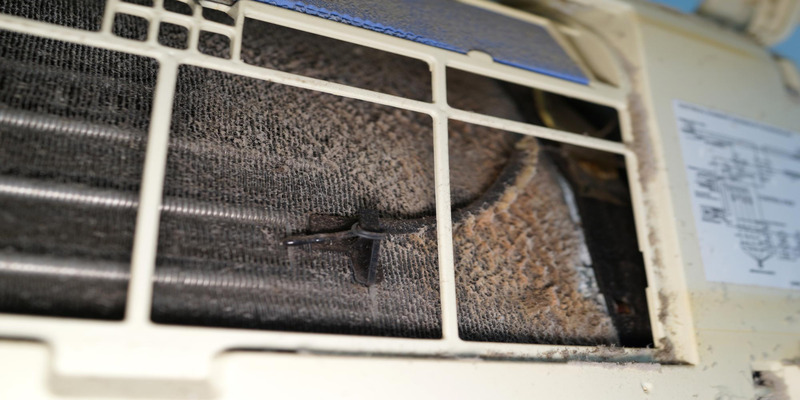 Your AC has two coil sets doing opposite jobs. Indoor evaporator coils capture warmth from your home's air. Outdoor condenser coils release that heat outside. When either becomes coated with grime, the entire cooling cycle breaks down and your AC is not cooling despite running longer cycles.
You might notice your outdoor unit covered in grass clippings, leaves, or pollen. The system runs but doesn't cool effectively, and energy bills climb higher than normal.
Keep vegetation trimmed at least two feet from your outdoor unit. Gently rinse condenser coils with a garden hose at the start of cooling season—spray from inside out to push debris away from fins. For indoor coils, proper cleaning techniques prevent damage while restoring efficiency.
Call a pro if coils appear bent, corroded, or damaged. Heavy biological growth on evaporator coils requires specialized cleaning chemicals.
5. Low Refrigerant or Refrigerant Leak
Refrigerant absorbs heat inside your home and releases it outside through the condenser. Unlike gas in your car, it circulates in a closed loop and should never need topping off. If levels drop, you have a leak—and this isn't a DIY repair.
Warning signs of a refrigerant leak:
- Warm air from vents despite continuous operation
- Ice forming on refrigerant lines
- Hissing or bubbling sounds near the indoor unit
- Cooling performance degrading over weeks
There's no DIY fix here. Refrigerant handling requires EPA Section 608 certification. Adding refrigerant without fixing the leak wastes money and harms the environment.
Call a pro immediately if you notice any of these signs. Continuing to run a low-refrigerant system destroys the compressor, and replacing one costs $1,000 to $2,500.
6. Fan Motor or Blower Problems
Two fans keep your system functioning. The condenser fan in your outdoor unit pulls air across hot coils. The blower fan inside pushes cooled air through ductwork. When either fails, cooling suffers immediately.
Signs of fan trouble:
- Outdoor fan not spinning when the system runs
- Weak airflow from indoor vents
- Grinding, squealing, or humming noises
- Outdoor unit overheating and shutting down
Check that nothing blocks the outdoor fan blades. For the indoor blower, ensure all vents are open and unobstructed. If you suspect your AC fan isn't spinning properly, a visual inspection can confirm whether the motor runs at all.
Call a pro if fans don't spin, make unusual noises, or spin slowly. Motors, capacitors, and electrical connections require professional repair.
7. Blocked or Leaking Air Ducts
Your AC might produce perfectly cold air that never reaches your living spaces. When your air conditioner running but not cooling sends you outside to check the condenser, ductwork problems remain hidden as the real cause.
The telltale signs are certain rooms staying consistently warmer than others, visible gaps or disconnections in accessible ductwork, dust blowing from vents when the system starts, and higher energy bills without explanation.
Check accessible ductwork in attics and basements for visible damage. Run your hand along joints while the system operates and feel for escaping air. Seal small gaps with mastic sealant or metal tape (not standard duct tape, which fails over time).
The Department of Energy estimates typical homes lose 20 to 30 percent of conditioned air through duct leaks. Professional duct sealing and testing pays for itself through reduced energy waste—especially in older homes.
When to Call a Professional
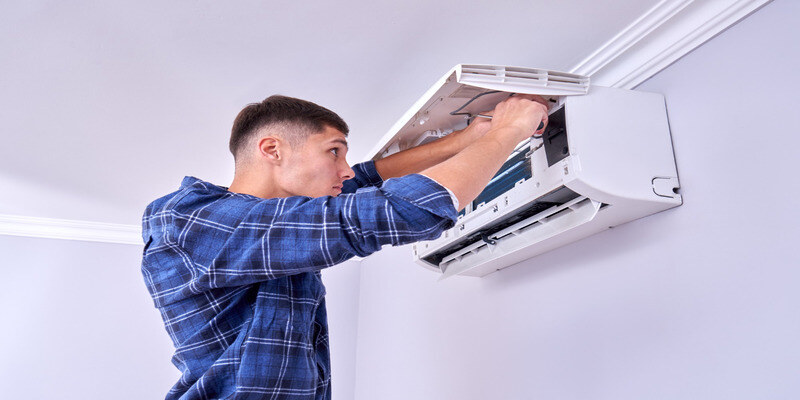 Some problems respond to five minutes of homeowner troubleshooting. Others demand expertise.
Call immediately if you notice:
- Burning smells or visible smoke
- Electrical buzzing or sparking
- Refrigerant leak symptoms (hissing sounds, ice on lines)
- System repeatedly tripping the circuit breaker
Schedule a visit soon for:
- Ice that returns after thawing and filter replacement
- Strange noises like grinding, squealing, or banging
- Fan motors not running or spinning slowly
- Cooling performance declining over time
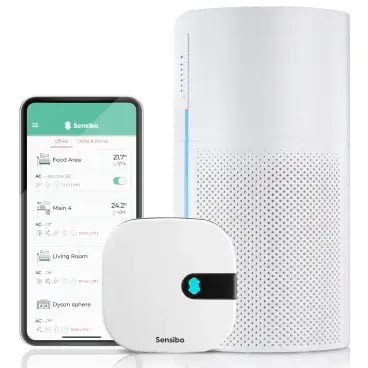
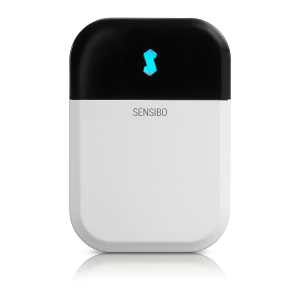
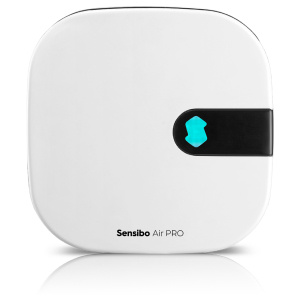
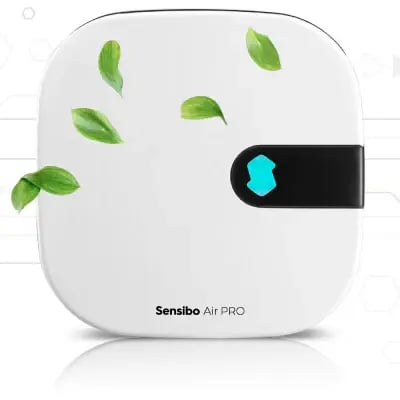
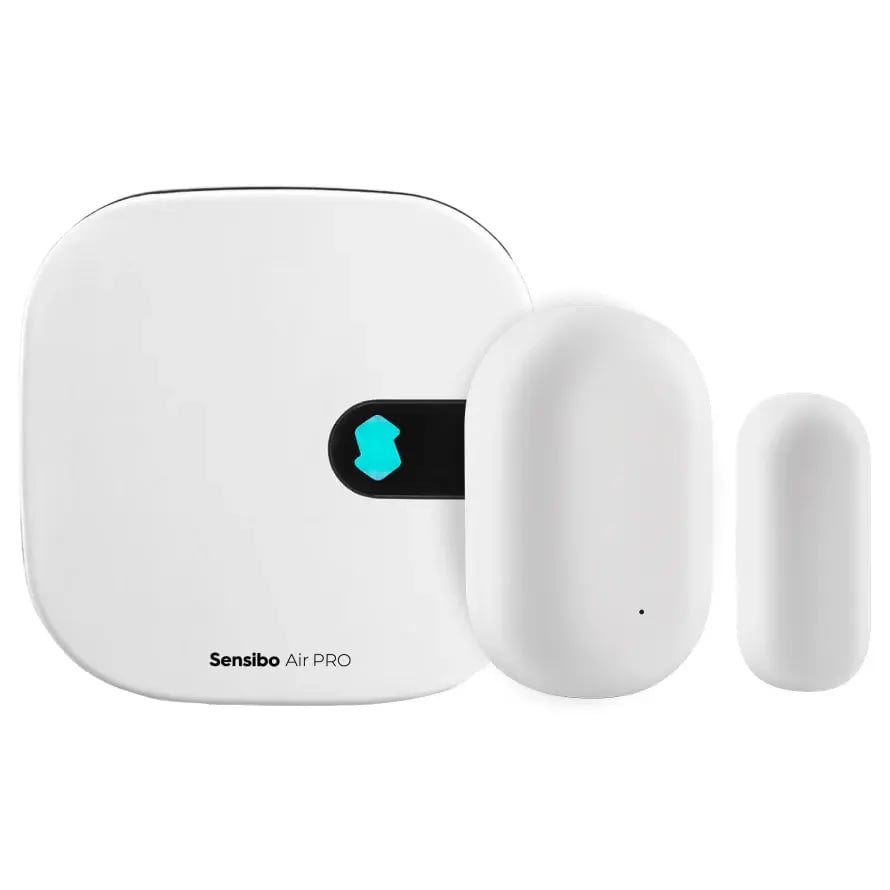
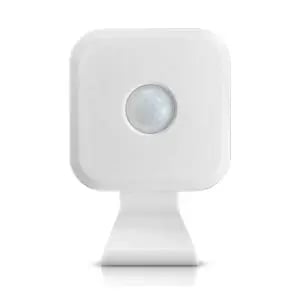
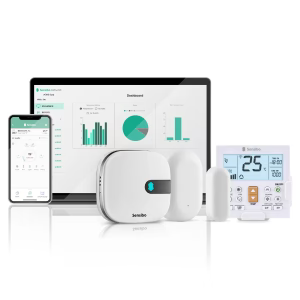
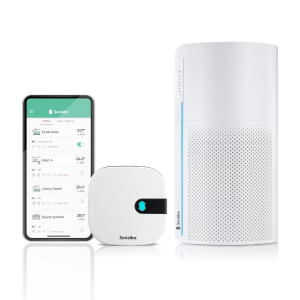
Professional diagnosis typically runs $75 to $150, plus parts and labor for repairs. Annual maintenance catches most problems before they cause summer failures—and costs far less than emergency service during a heat wave. Smart AC controllers like Sensibo monitor your system's performance patterns and alert you when something changes, helping you catch problems when your AC runs slightly longer than usual rather than when your house hits 85 degrees.
Keep Your Cool All Summer
Most cooling failures come down to airflow problems, refrigerant issues, or component wear—and the warning signs usually appear before complete breakdown. A system that runs longer cycles, struggles to reach set temperature, or makes new noises is telling you something.
Smart monitoring through devices tracks these patterns automatically, sending alerts when your AC's behavior changes. Catching problems early means fixing a $150 repair instead of replacing a $2,500 compressor—and staying comfortable while your neighbors sweat through emergency service waits.
.jpg?height=200&name=photo_2024-08-16_18-39-12%20(1).jpg)